
Time to separate the science pros from the knowledge-deficient.

 You are playing as a guest. Sign in to save your progress & unlock rewards!
From the gravity that keeps our feet planted on the ground to the movement of the tides, the weather, and the skies above us, there is a vast treasure trove of knowledge in our shared experiences. Biology, ecology, chemistry, physics and astronomy are all covered in this super fun quiz of how the natural world works. When it comes to science, are you a top producer in this knowledge ecosystem or just a parasitic bottom-feeder?
This is a science quiz that will test your knowledge on a variety of topics. All questions are multiple choice, so you will need to select the correct answer from a list of options. If you can't answer the question, don't worry. We've also included the correct answer at the end of each question. Wherever your strengths lie, you're likely to find something to challenge you in this quiz! If you can score at least 75 percent on this difficult science quiz then we know for sure you are a particularly knowledgeable person.
🎖️ Badges
View all badges
Science Curious

Lab Assistant

Science Genius
🔖 Topics
View all topics

Enjoy Quizly? Upgrade to Premium for an ad-free experience and exclusive features.
Get PremiumPlay More Quizzes














12 Comments
19/25
I got 21 out of 25!
You are a science expert! Your knowledge is evident by your impressive score and you’ve made it clear that you truly possess the IQ needed for this quiz!
If I had taken my time, I could have done better.
I got 24 out of 25!
You are a science expert! Your knowledge is evident by your impressive score and you’ve made it clear that you truly possess the IQ needed for this quiz!
I am a nurse
I got 13 out of 25 – 52%
You managed to pass, and that’s nothing to sneeze at! But if you want to know everything about science, you’ve still got some learning to do!
4 / 3 / 26
25/25
You are a science expert! Your knowledge is evident by your impressive score and you’ve made it clear that you truly possess the IQ needed for this quiz!
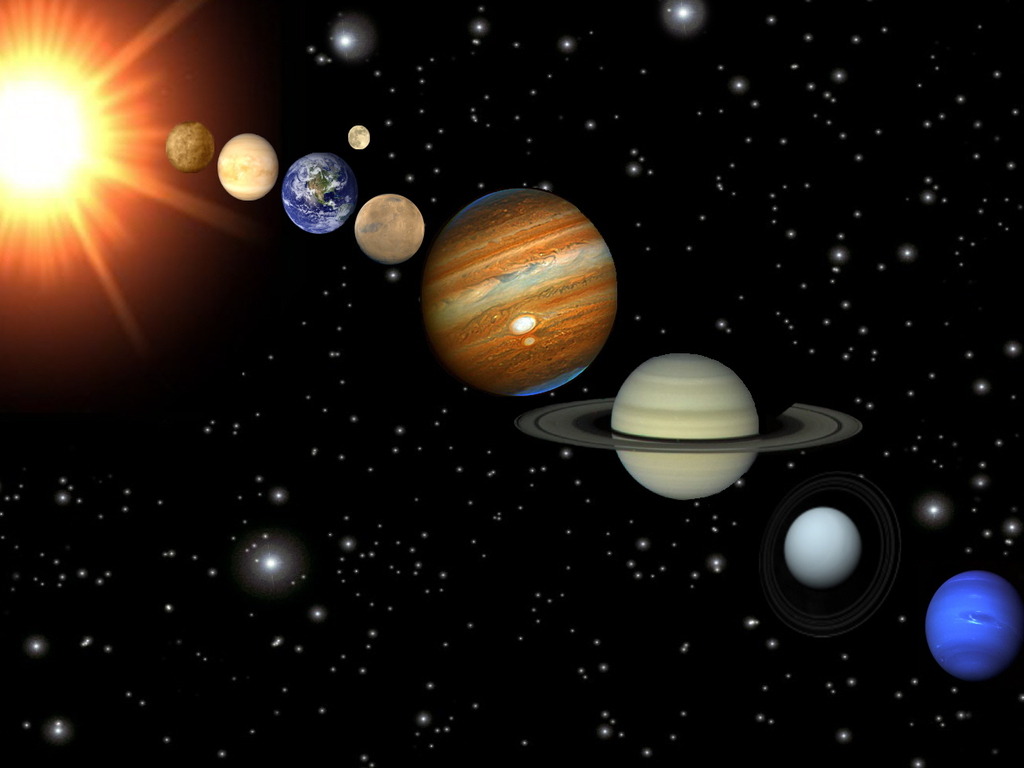
Hi Quizly, in your above quiz “do-you-know-enough-about-science”, in the Question, “What is the biggest planet in the Solar System?”, your answer included the statement that Jupiter “has 79 moons.” – this is incorrect, as it is well known that Jupiter possesses (at least) 95 satellites. This needs to be corrected!
23/25.
I got 21 out of 25!
You are a science expert! Your knowledge is evident by your impressive score and you’ve made it clear that you truly possess the IQ needed for this quiz!
25/25.
um.. what grade is this me grade 3 in primary
25/25 aewsome
23/25