
Ready to conquer the King of Planets?
 You are playing as a guest. Sign in to save your progress & unlock rewards!
Jupiter Quiz
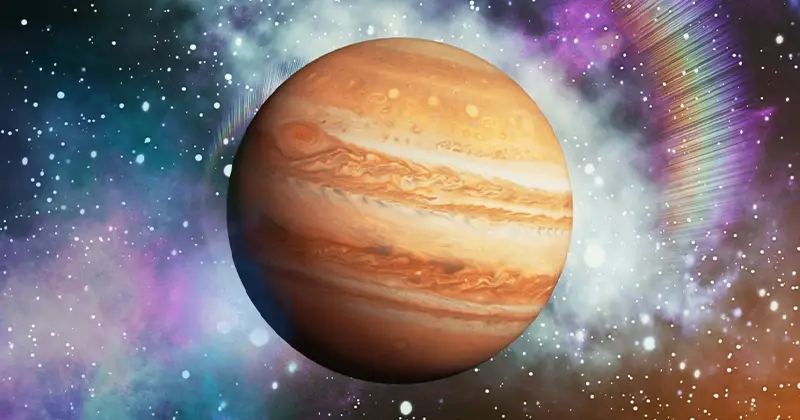
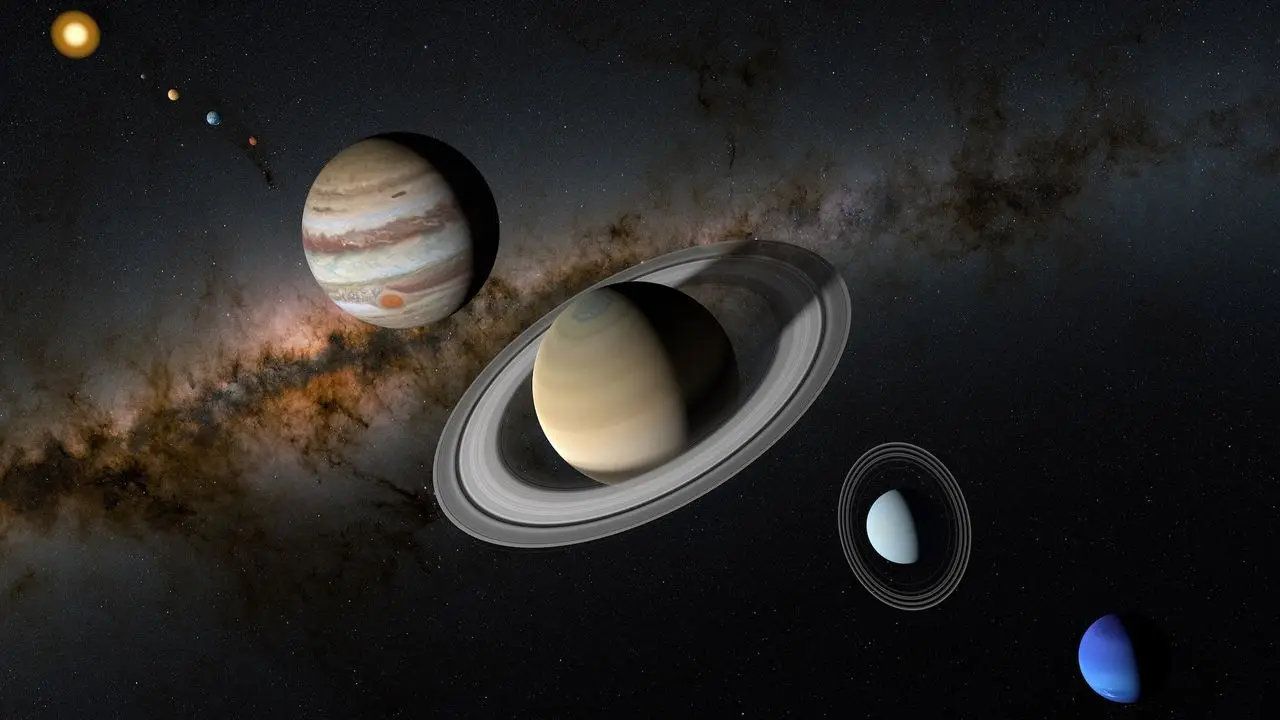
If you have ever looked up at the night sky and spotted an unusually bright "star" shining steadily above the horizon, chances are you were looking at Jupiter.
There is something unforgettable about it. Even without a telescope, Jupiter stands out. And that makes sense, because Jupiter is the largest planet in our solar system by far.
But here’s the real question: how much do you actually know about it?
Sure, you might know that Jupiter is a gas giant. You might remember something about a Great Red Spot from science class. Maybe you have heard of one of its moons, like Europa or Ganymede. But do you know how fast Jupiter spins? How many moons it has? Or why scientists are so obsessed with sending spacecraft there?
That is exactly what this Jupiter trivia quiz is here to find out.
The Massive Scale of a True Giant
Jupiter earns its title as the "king of the planets" for good reason.
Here are just a few facts that instantly put things in perspective:
- It is enormous. Jupiter is so large that more than 1,300 Earths could fit inside it.
- It has incredible gravity. Jupiter’s gravity helps shape the solar system and even protects Earth by pulling in comets and asteroids.
- It spins fast. A full Jupiter day lasts only about 10 hours.
- It has dozens of moons. In fact, it has at least 115 confirmed moons.
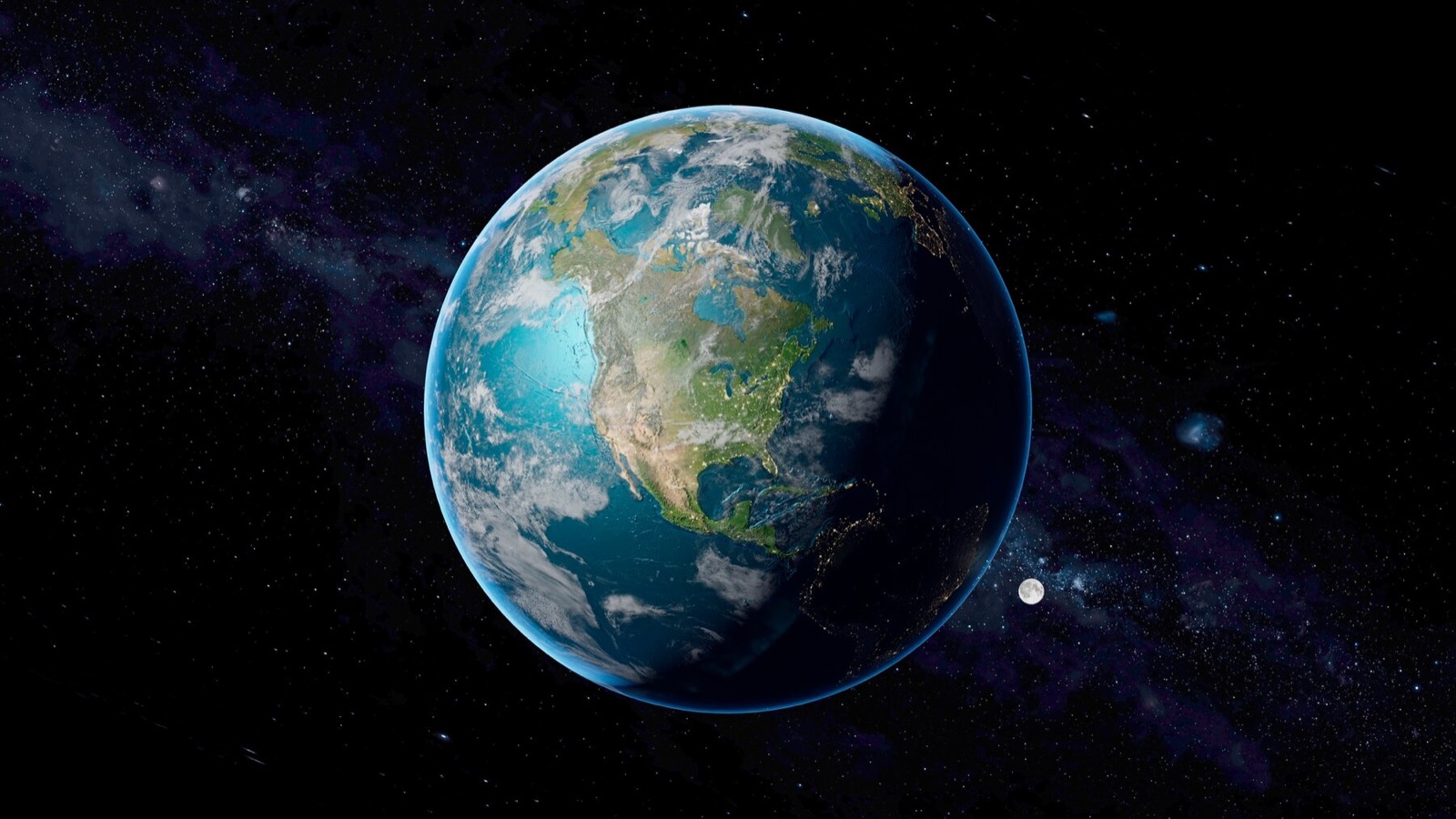
When you compare Jupiter to Earth, it almost feels unfair. Jupiter dominates in size, mass, and influence. In fact, it contains more than twice the mass of all the other planets combined.
And yet, despite its size, Jupiter does not have a solid surface like Earth. If you tried to land on it, you would quickly discover that it is mostly made of hydrogen and helium, with crushing pressure and extreme conditions deep below the clouds.
The Storm That Never Sleeps
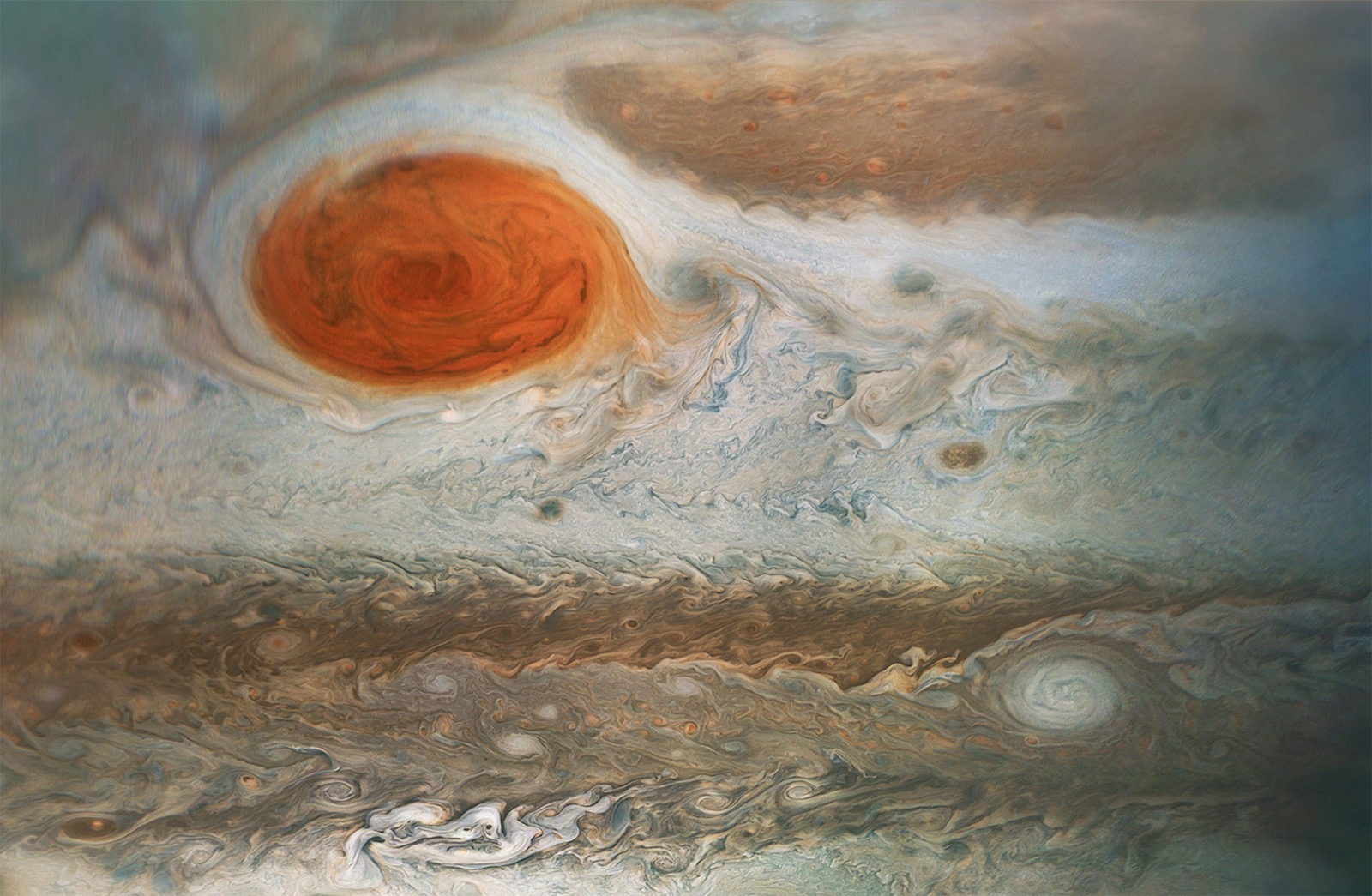
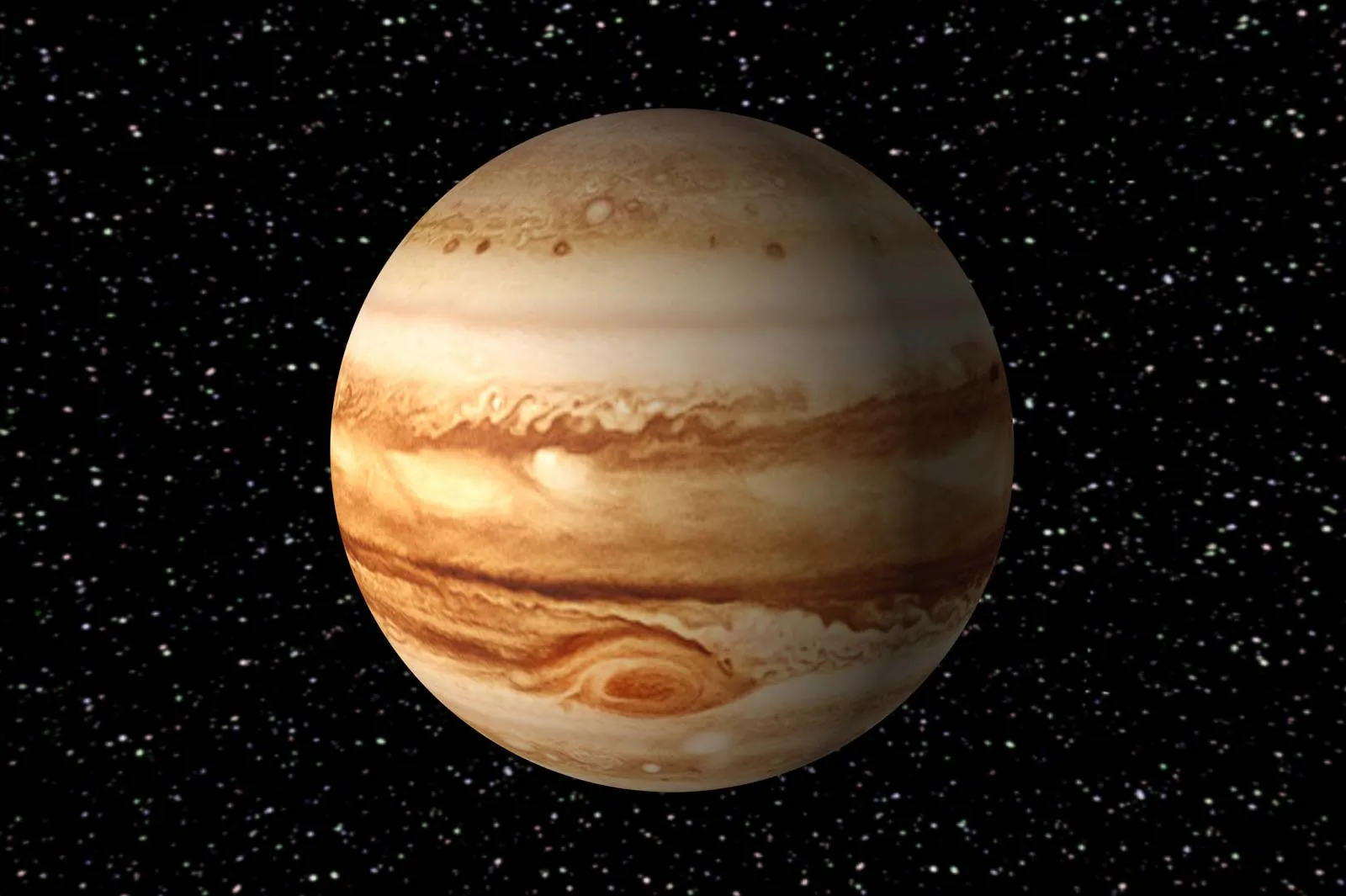
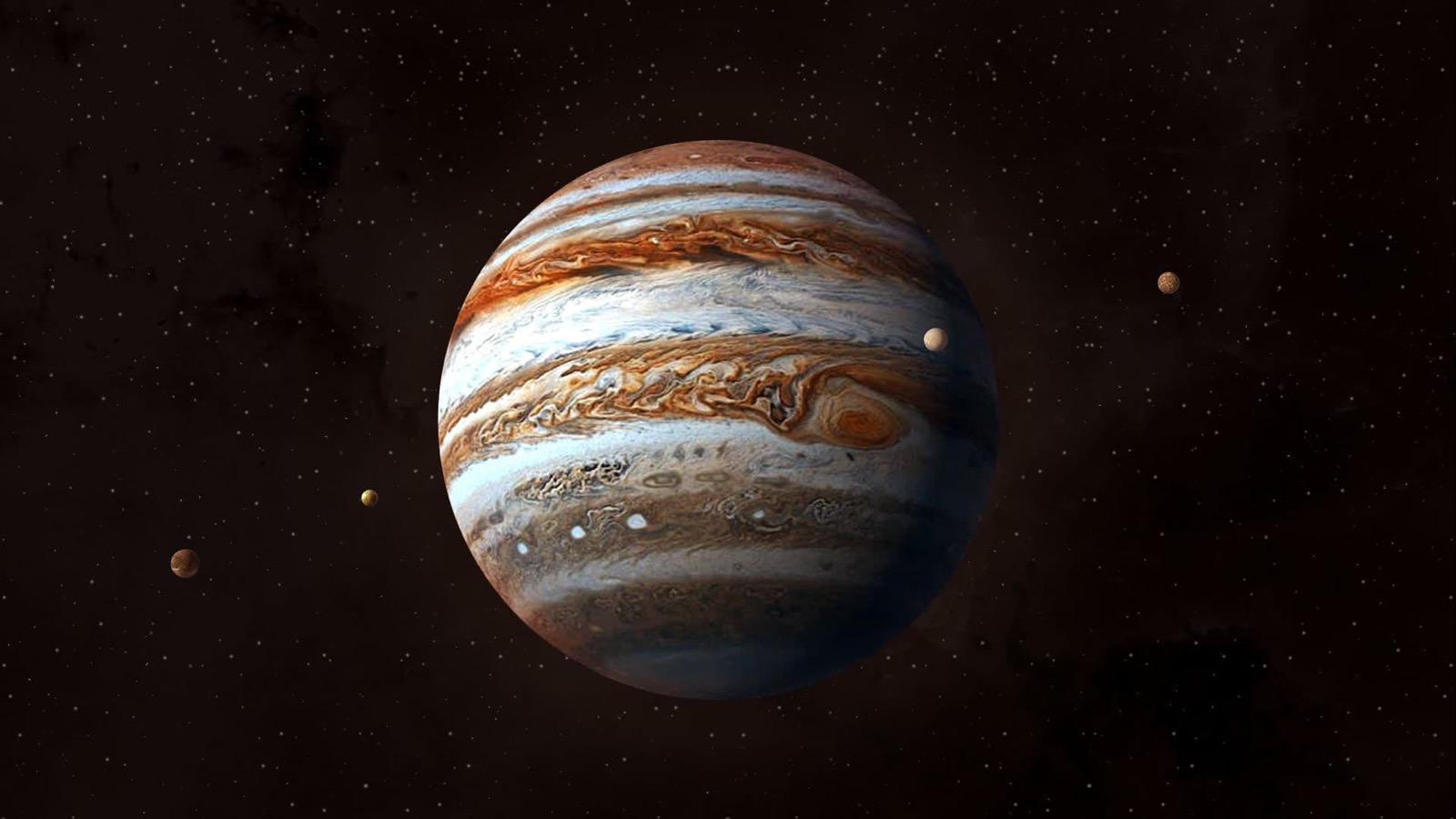
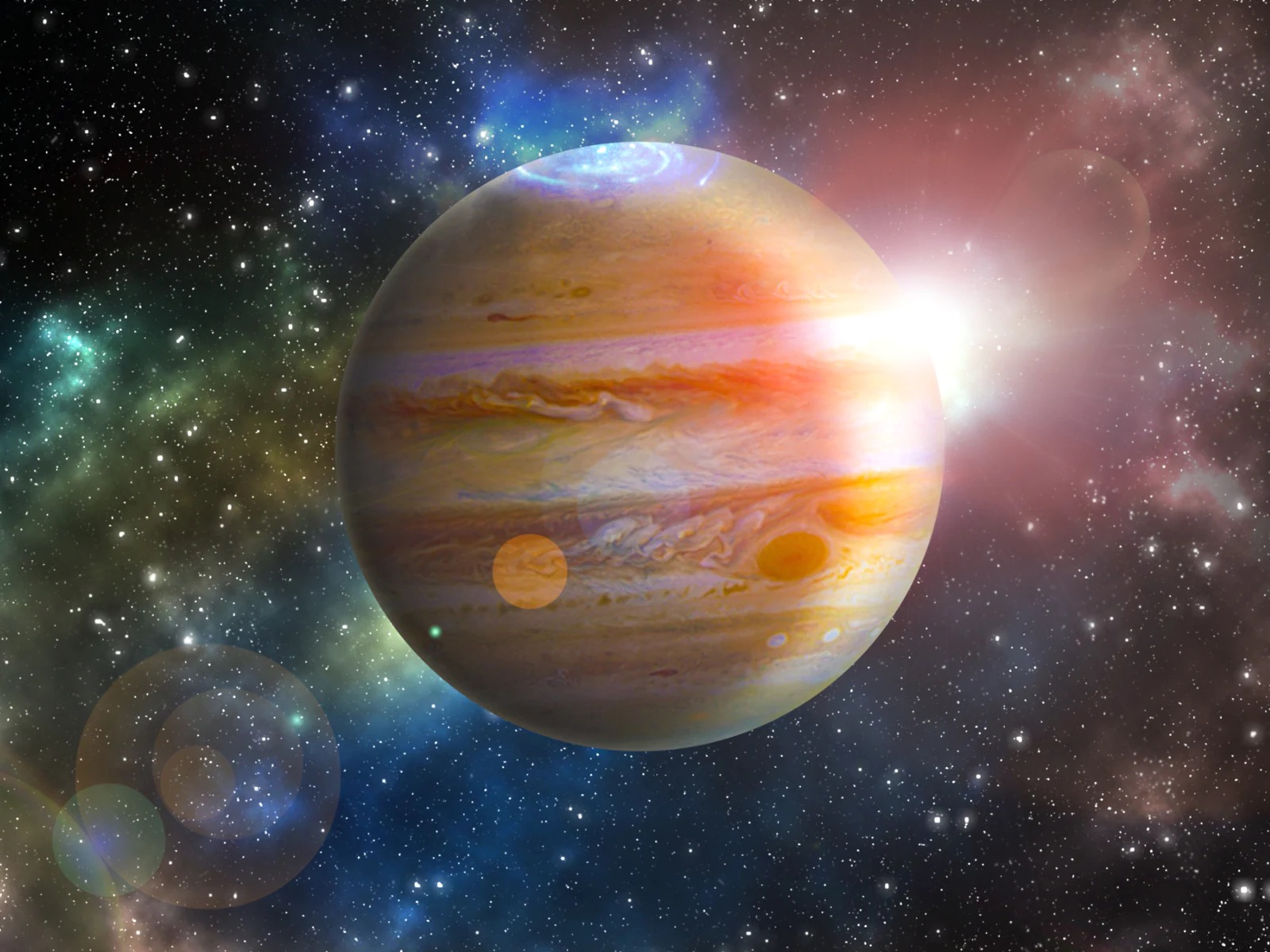
When you look at a photo of Jupiter, the first thing you notice is the Great Red Spot. This isn't just a pretty feature; it is a monster of a storm. It has been raging for at least 300 years, and likely much longer. To put that in perspective, this storm was spinning while people were still traveling by horse and carriage on Earth.
The Great Red Spot is wider than our entire planet. Imagine a hurricane so big it could swallow Earth whole. Inside this storm, winds howl at speeds reaching 400 miles per hour. While the spot has been shrinking slightly over the last few decades, it remains the most iconic weather event in our solar system.
But the Great Red Spot is just one part of Jupiter’s dramatic atmosphere.
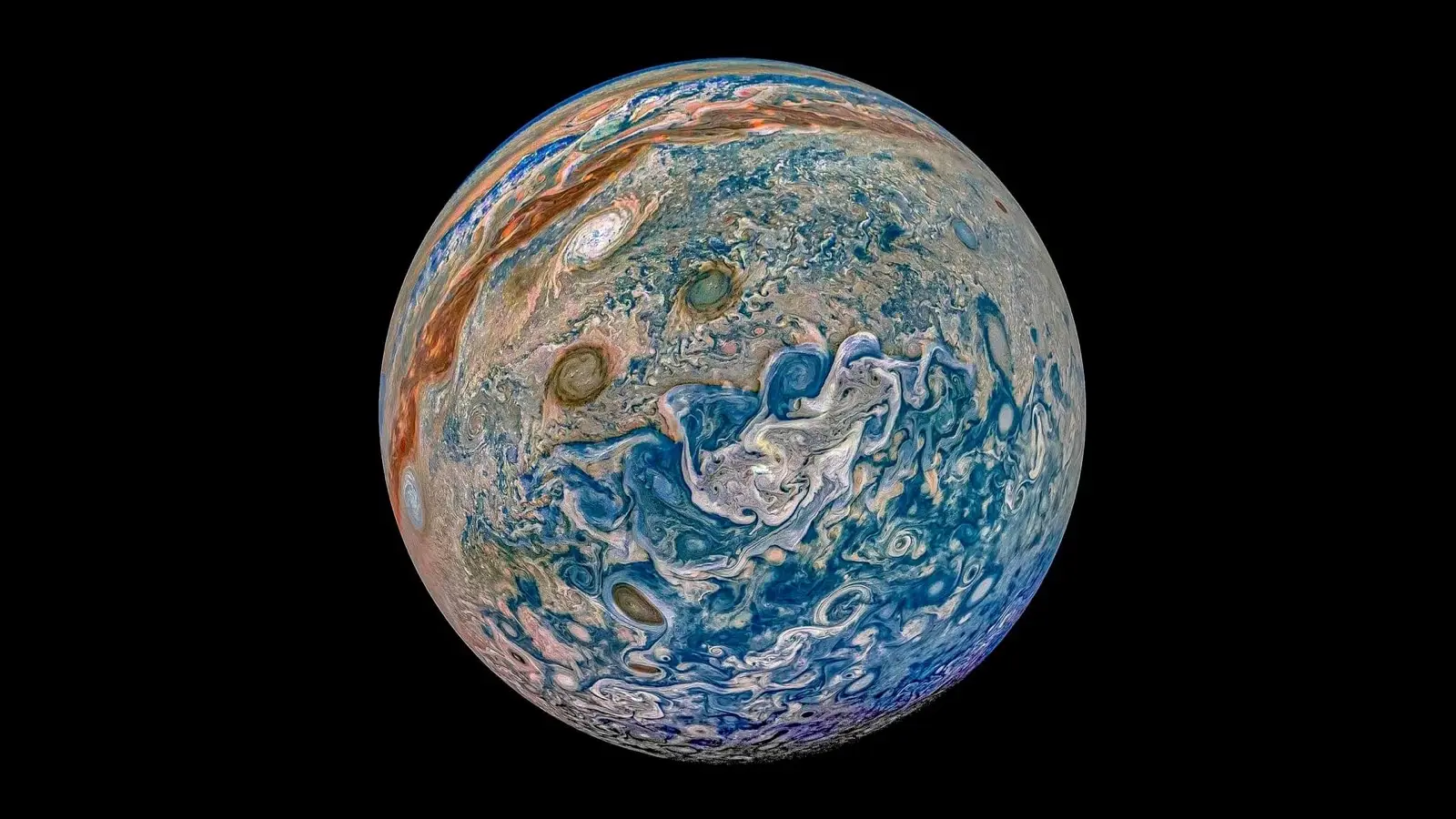
Jupiter’s clouds form colorful bands that wrap around the planet. These bands are powered by fierce winds that can reach hundreds of miles per hour. The planet’s rapid rotation creates a flattened shape at the poles, making Jupiter look slightly squished.
A Family of Fascinating Moons
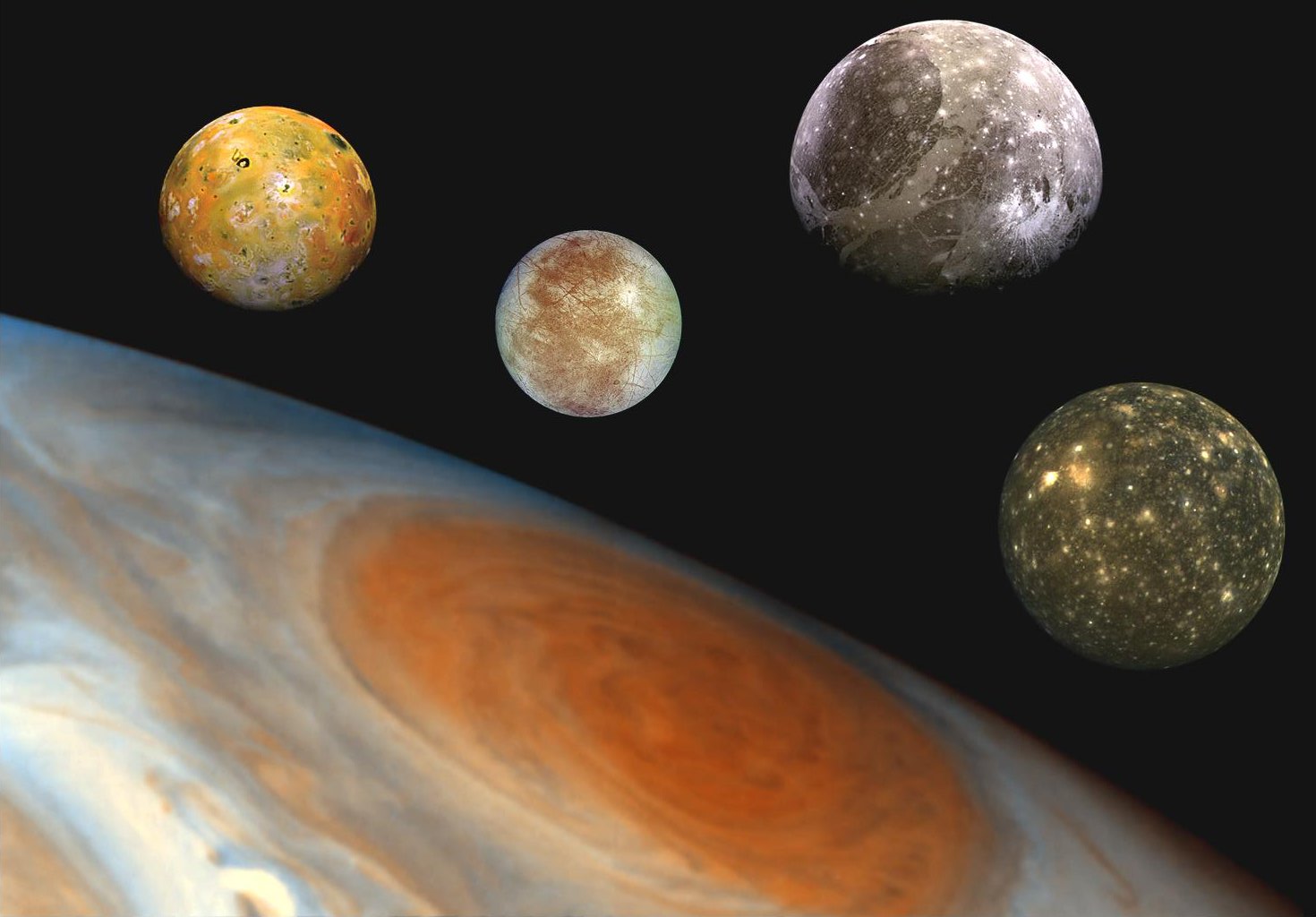
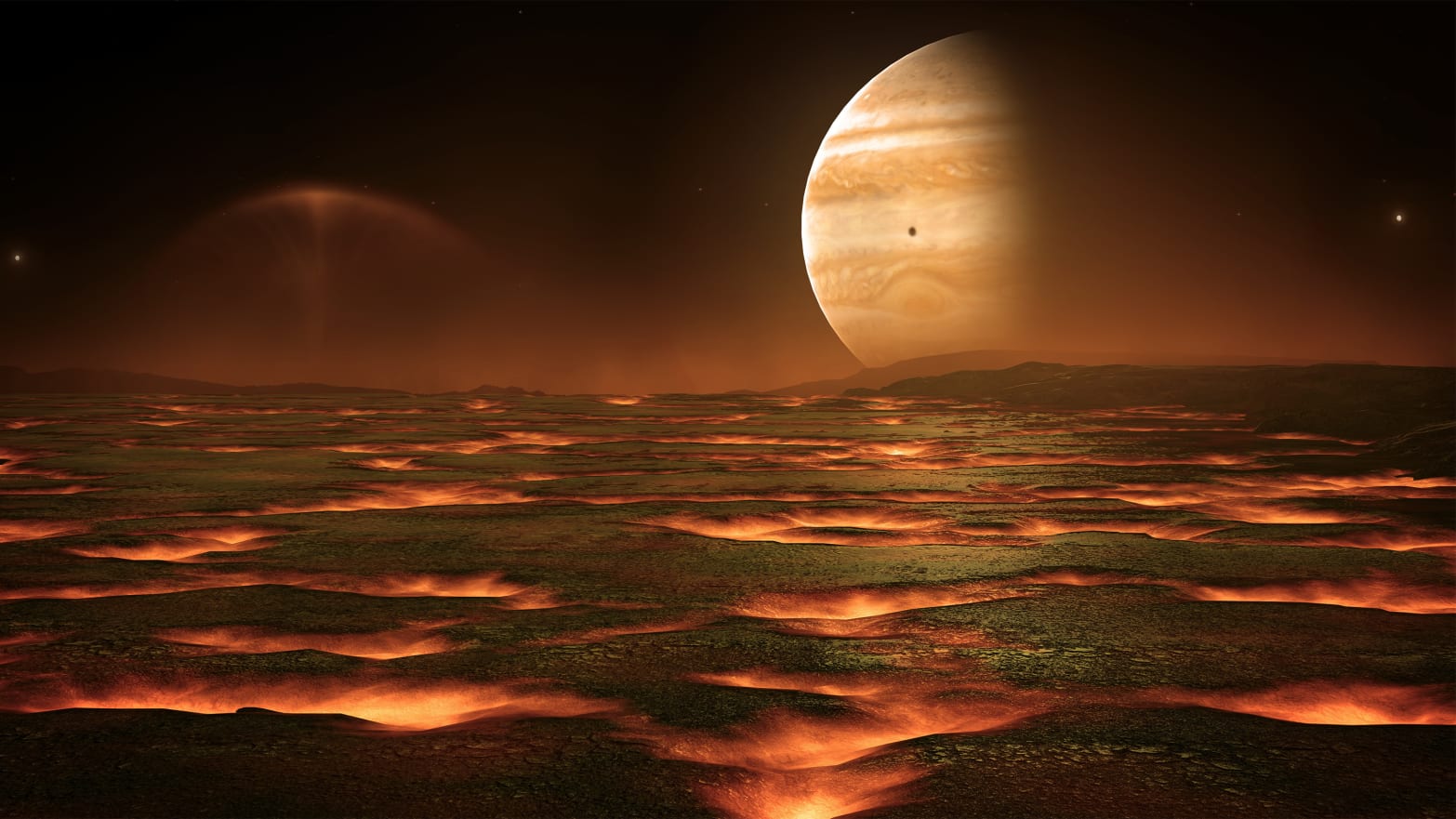
One of the coolest things about Jupiter is that it is almost like a mini-solar system. As of early 2026, it has at least 115 known moons orbiting it. Some are just small rocks, likely captured asteroids, but the four largest moons are legendary. These are the Galilean moons: Io, Europa, Ganymede, and Callisto.
Galileo Galilei first observed these moons in 1610, and that discovery changed astronomy forever. It showed that not everything orbits Earth, which challenged long-held beliefs at the time.
Each of these moons has its own personality:
- Io is the most volcanically active body in the entire solar system.
- Europa likely hides a vast ocean beneath its icy crust.
- Ganymede is the largest moon in the solar system, even bigger than Mercury.
- Callisto is heavily cratered and ancient, preserving a record of early solar system impacts.
When scientists talk about the search for life beyond Earth, Europa often enters the conversation. That is how important Jupiter’s moons are to modern space research.
Jupiter and Space Exploration
Jupiter has fascinated astronomers for centuries, but spacecraft have transformed what we know.
In 1973, Pioneer 10 became the first spacecraft to fly by Jupiter. Later missions like Voyager, Galileo, and now Juno have revealed stunning images and groundbreaking data.
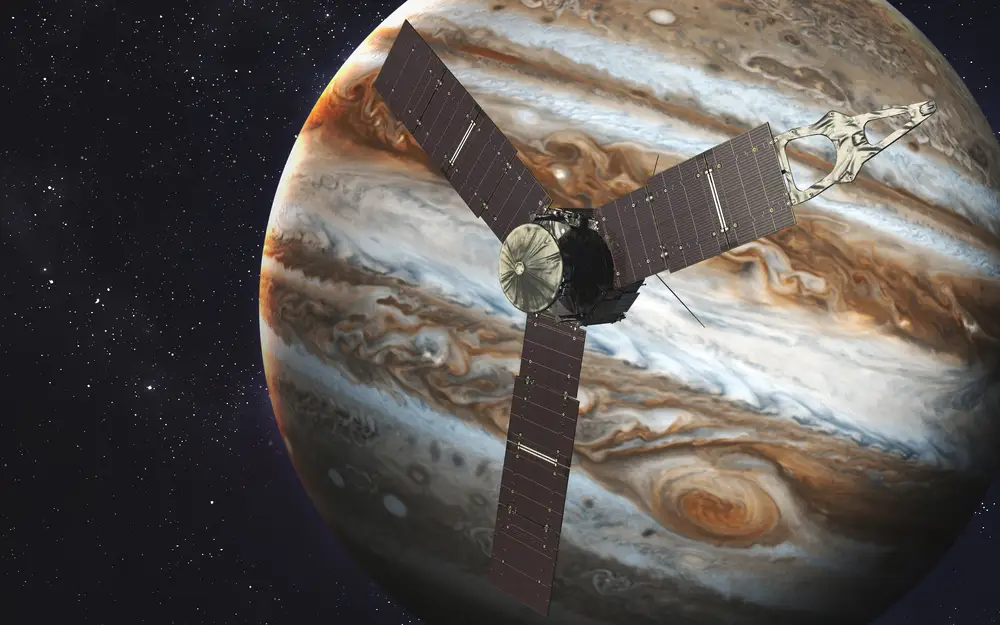
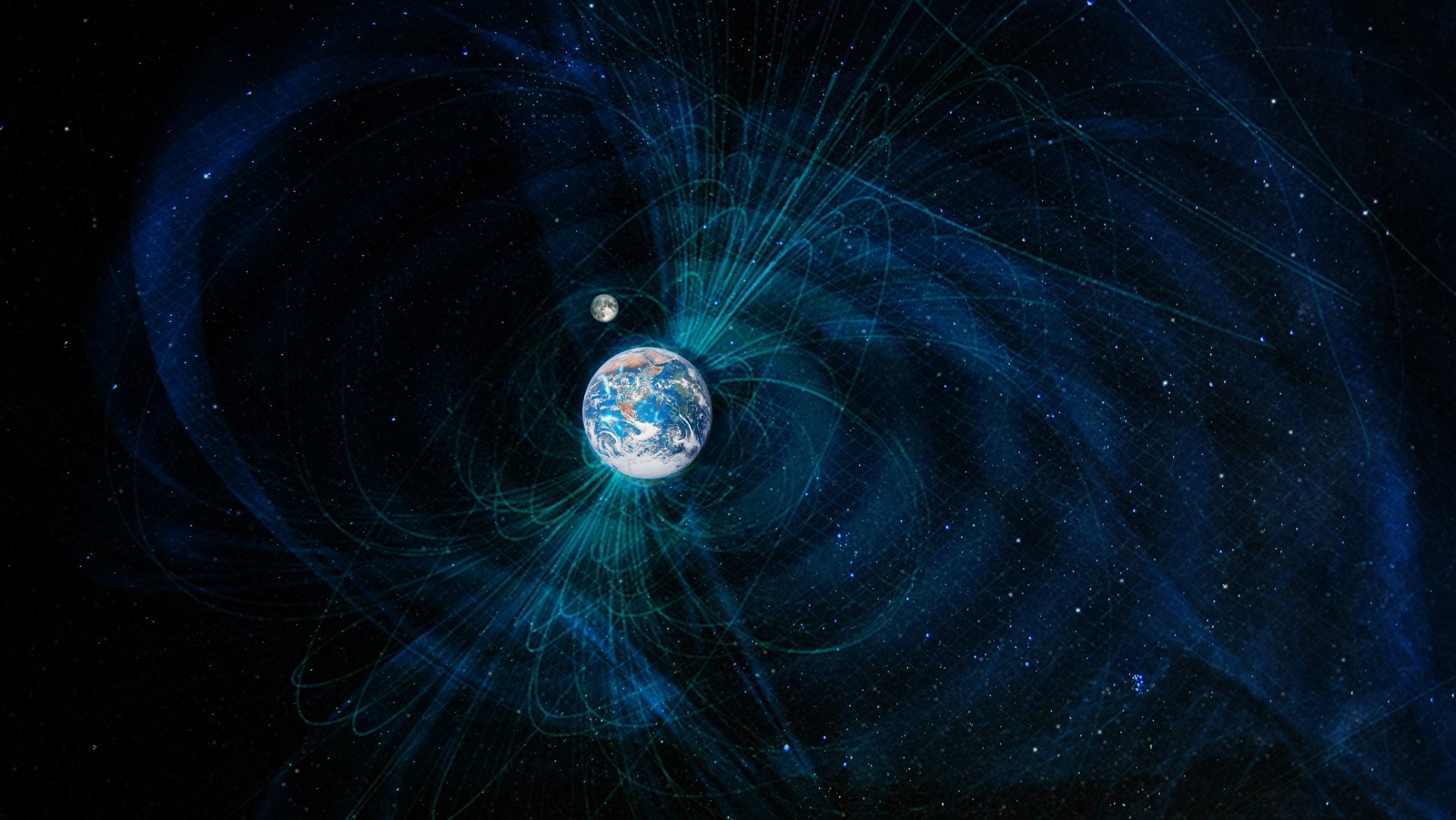
NASA’s Juno spacecraft currently orbits Jupiter and studies its atmosphere, magnetic field, and internal structure. Juno has captured breathtaking close-up images of swirling clouds and massive storms. It has also helped scientists understand Jupiter’s powerful magnetic field, which is much stronger than Earth’s.
What This Jupiter Trivia Quiz Includes
This is a carefully designed challenge that covers a wide range of topics, including:
- Jupiter’s size, mass, and composition
- Its atmosphere and famous storms
- Its moons and their unique features
- Historical discoveries and astronomers
- Modern space missions and scientific findings
- True or False questions to keep you on your toes
Some questions will feel straightforward if you love astronomy. Others may surprise you. That is part of the fun.
How to Take the Jupiter Quiz
Getting started is simple. Here is how it works:
- Read each question carefully. Take your time before selecting an answer.
- Choose one answer. Each multiple-choice question has one correct answer and three incorrect options.
- Review the explanation. After each question, you will see an explanation so you can learn something new, even if you miss it.
- Track your score. Your final result will reflect how well you know Jupiter.
- Climb the leaderboard. Finish more quizzes and score points to rise through the ranks on our site.
Ready to Test Your Jupiter Knowledge?
Jupiter is a planet that continues to surprise us. Every time the Juno spacecraft sends back new data, we find something we didn't expect, like giant cyclones at the poles or weird ripples in the magnetic field. This quiz reflects that spirit of discovery. It is about celebrating the curiosity that drives us to look up at the stars and wonder what is out there.
So, are you ready to test your Jovian intelligence? The King of Planets is waiting. Let's see if you can navigate the storms and moons to claim your spot on the leaderboard!
🎖️ Badges
View all badges
Stargazer

Science Curious

Lab Assistant

Science Genius
🔖 Topics
View all topics

Enjoy Quizly? Upgrade to Premium for an ad-free experience and exclusive features.
Get PremiumPlay More Quizzes



2 Comments
20/20
Wow! You’re practically a resident of the giant planet! Your knowledge of the Solar System’s largest planet is truly astronomical. Scoring this high shows you’ve really done your homework on gas giants and Jovian moons. Keep reaching for the stars, space explorer. Your future is as bright as the sun! You’re officially a certified Jupiter expert in our books.
I got 13 out of 20!
Fantastic effort! You’ve navigated the asteroid belt and come out with some serious Jupiter facts. You clearly know your way around a gas giant, even if a few of the trickier details slipped past your orbit. With just a little more star-gazing, you’ll be a cosmic master in no time. You should be very proud of this stellar performance!