Which of these is NOT a state of matter?
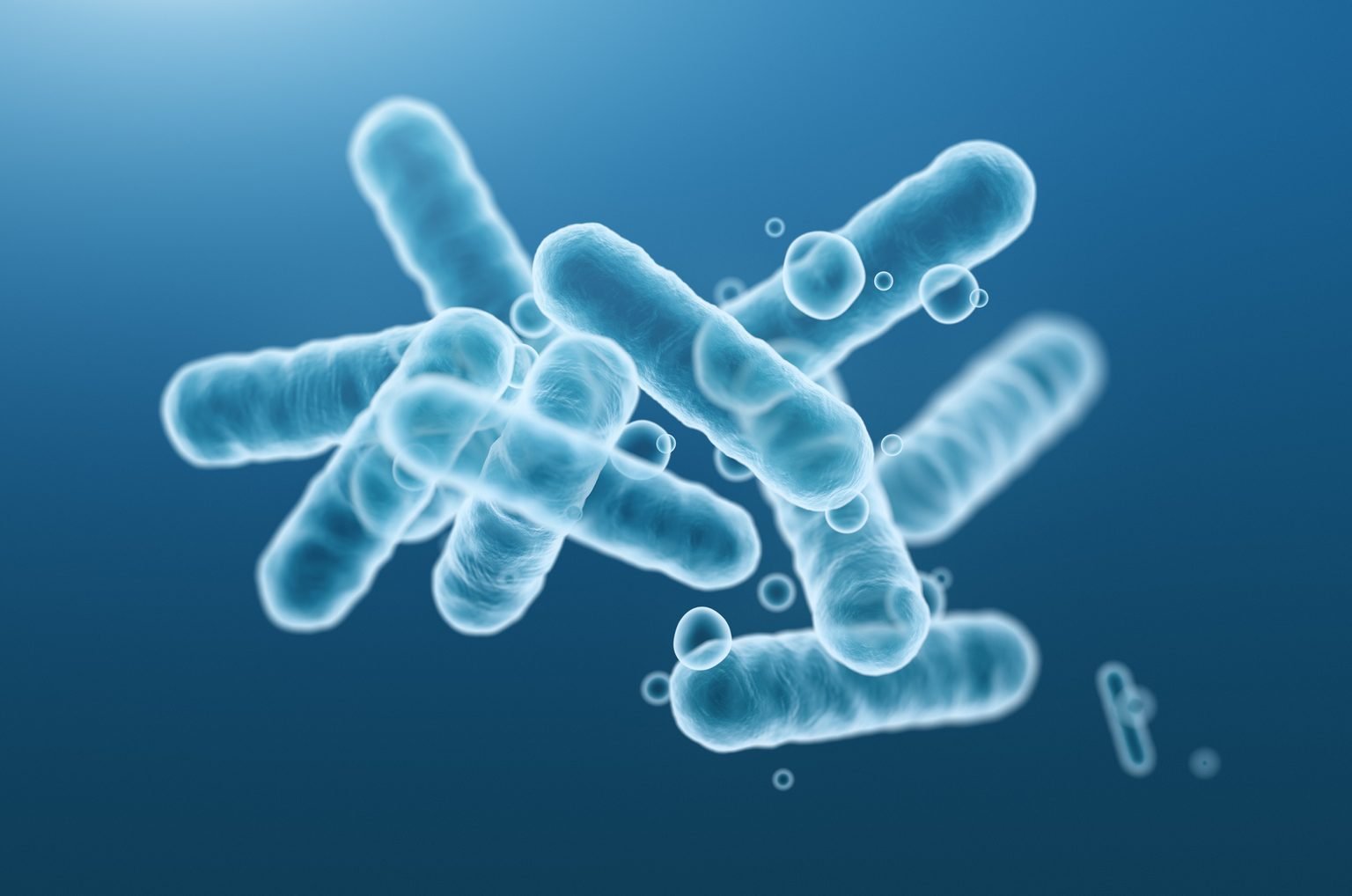
True or false: The human body is full of 'friendly' bacteria, with organisms on our skin and in our guts helping keep our bodies humming.
What is the most abundant periodic element in the Earth's atmosphere?
Hydrogen
Nitrogen
Phosphorus
Copper
If a doctor says you have ecchymosis, what have you got?
Ear infection
Kidney stone
Bruise
Jaundice
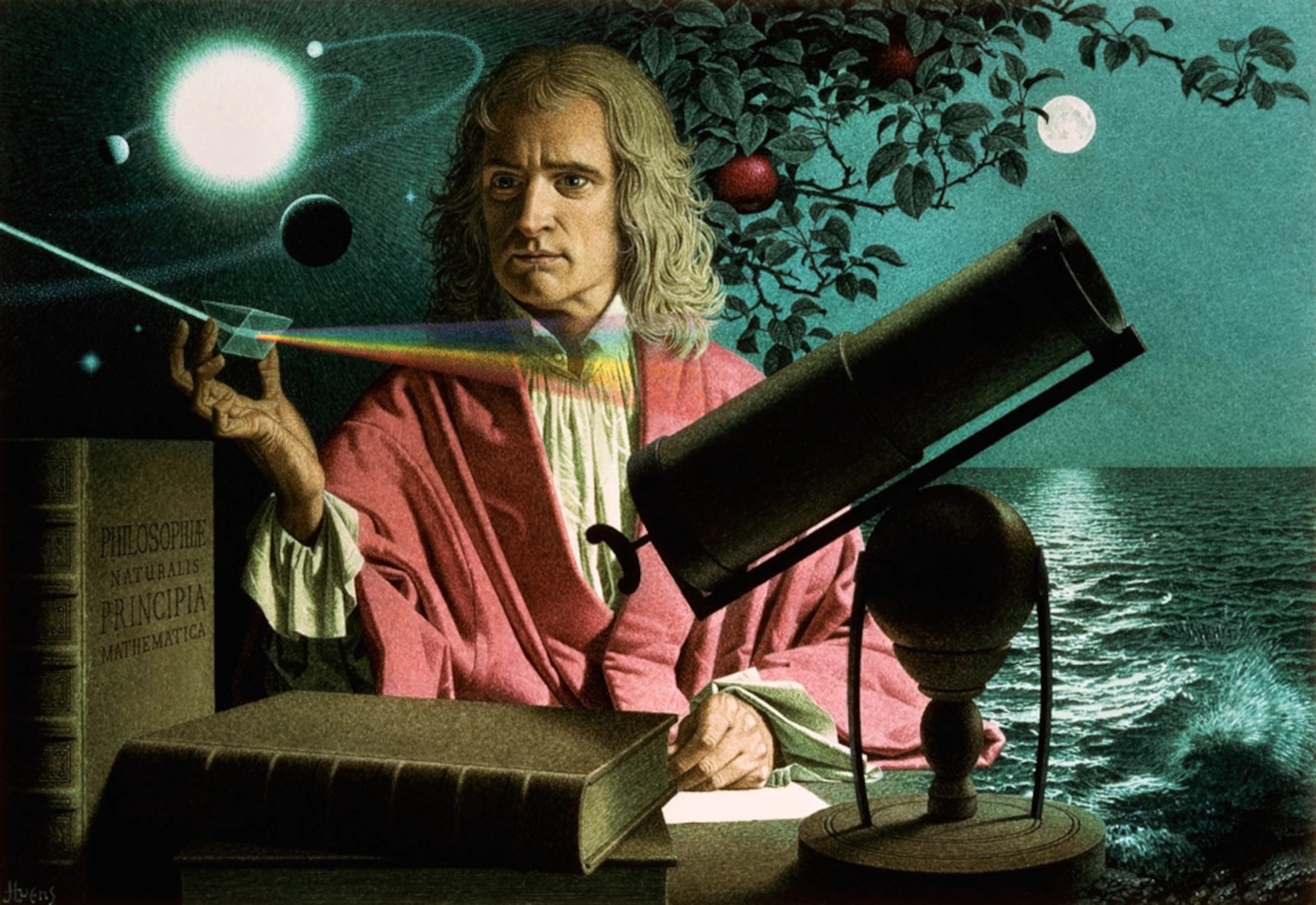
Which of the following did Isaac Newton assert about gravity?
Gravity is a form of magnetism.
Gravity is not a force in the traditional sense.
Feathers fall slower than ball bearings of the same weight because that's how gravity is.
Gravity is determined by the mass of an object.
Who formulated the first heliocentric theory that was accepted by other scientists soon after its publication?
Claudius Ptolemy
Albert Einstein
Nicolaus Copernicus
Marie Curie
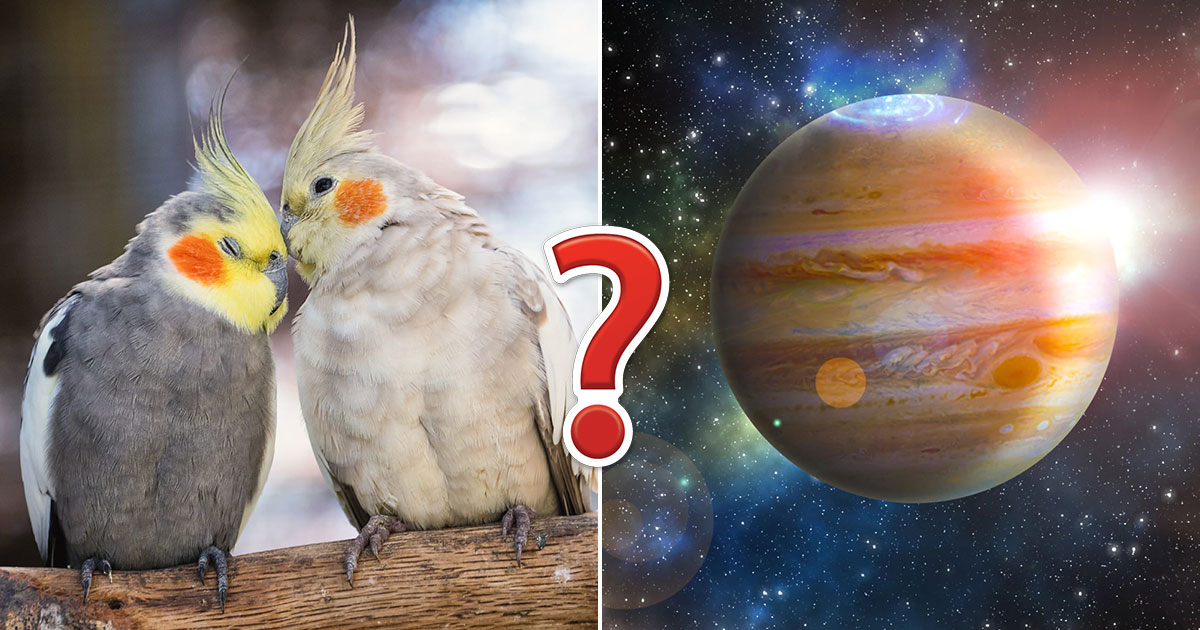
Which of these parrots can you find Down Under?
Cockatiel
Scarlet macaw
Lovebird
Crimson rosella
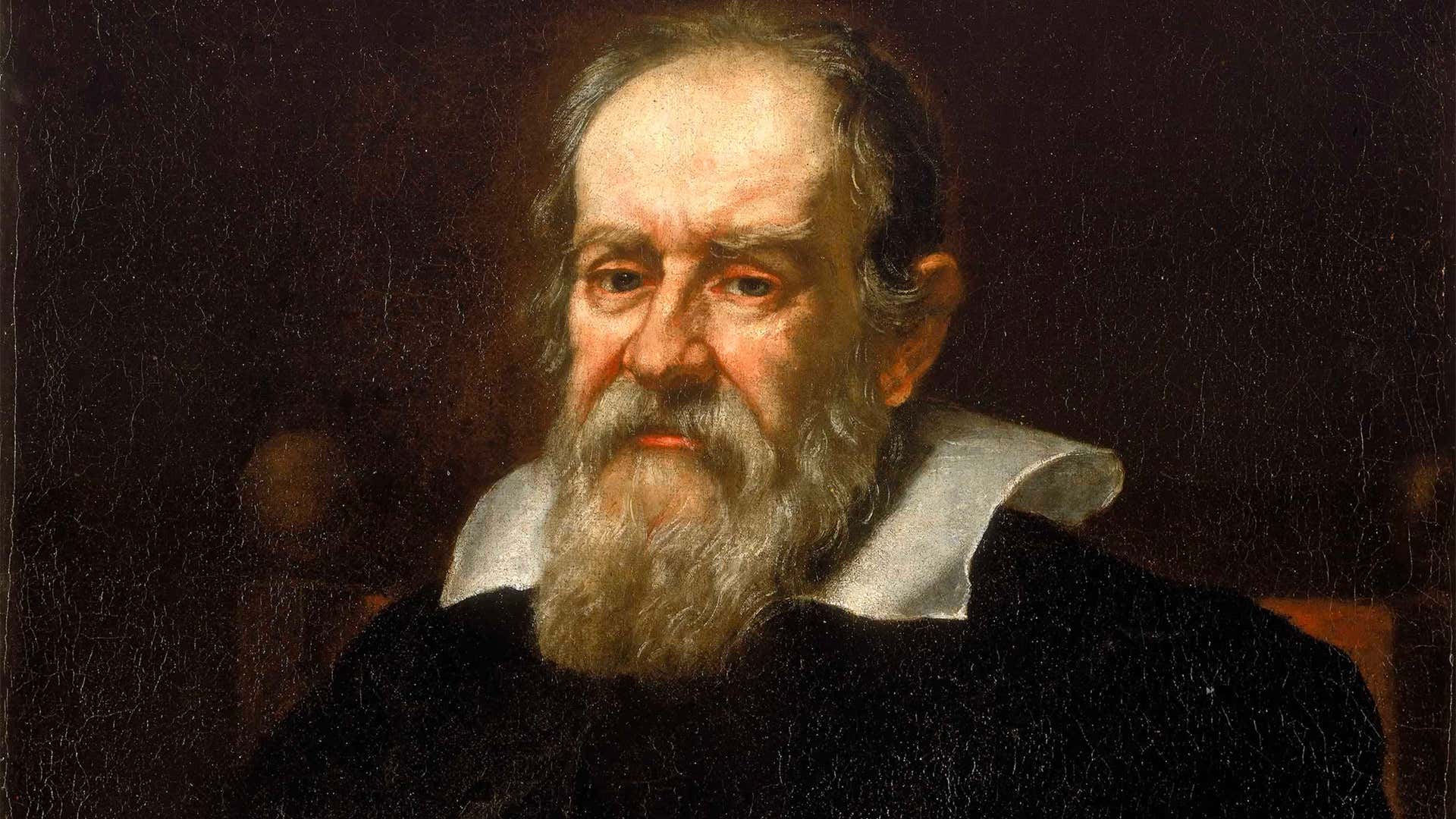
Galileo Galilei was an Italian astronomer who...
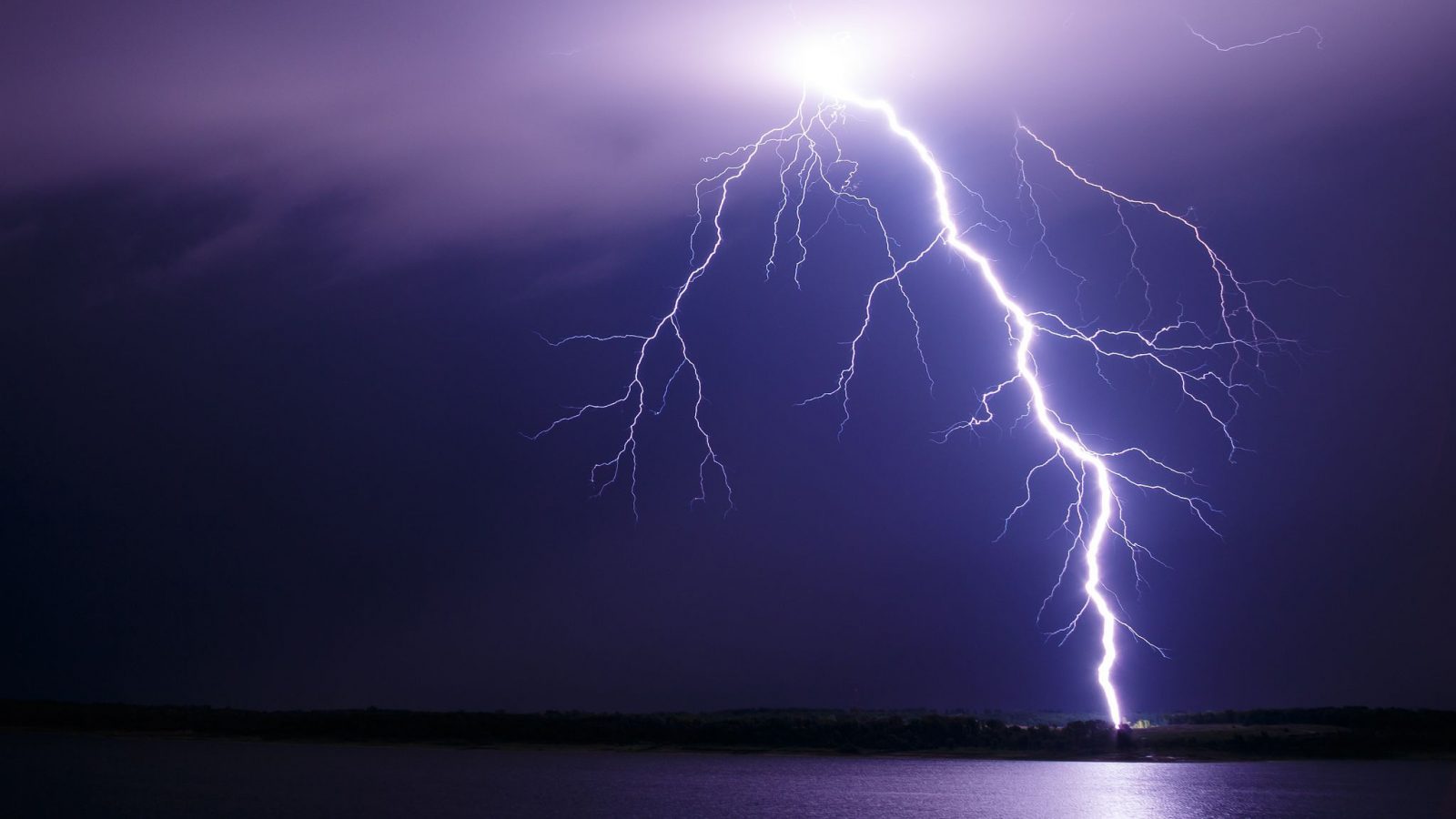
Who is most often credited with the discovery that lightning was a form of electricity, using a key?
Charles Darwin
Michael Faraday
Benjamin Franklin
Isaac Newton
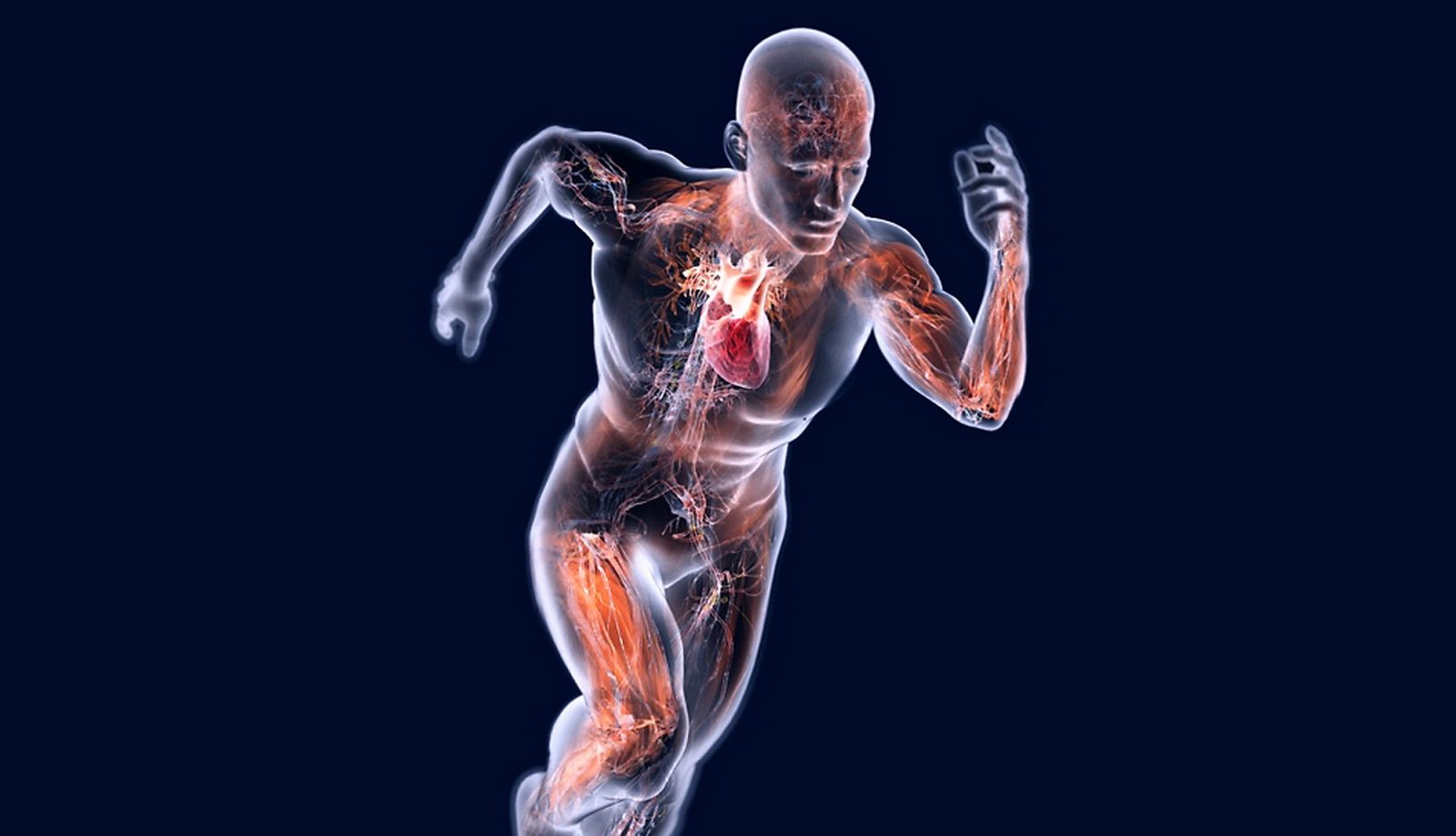
How much blood is pumped by the human heart in a minute in a normal, healthy person?
0.5 liters
5 liters
15 liters
2 liters
Ornithology is the study of which creatures?
Spiders
Birds
Fish
Mammals
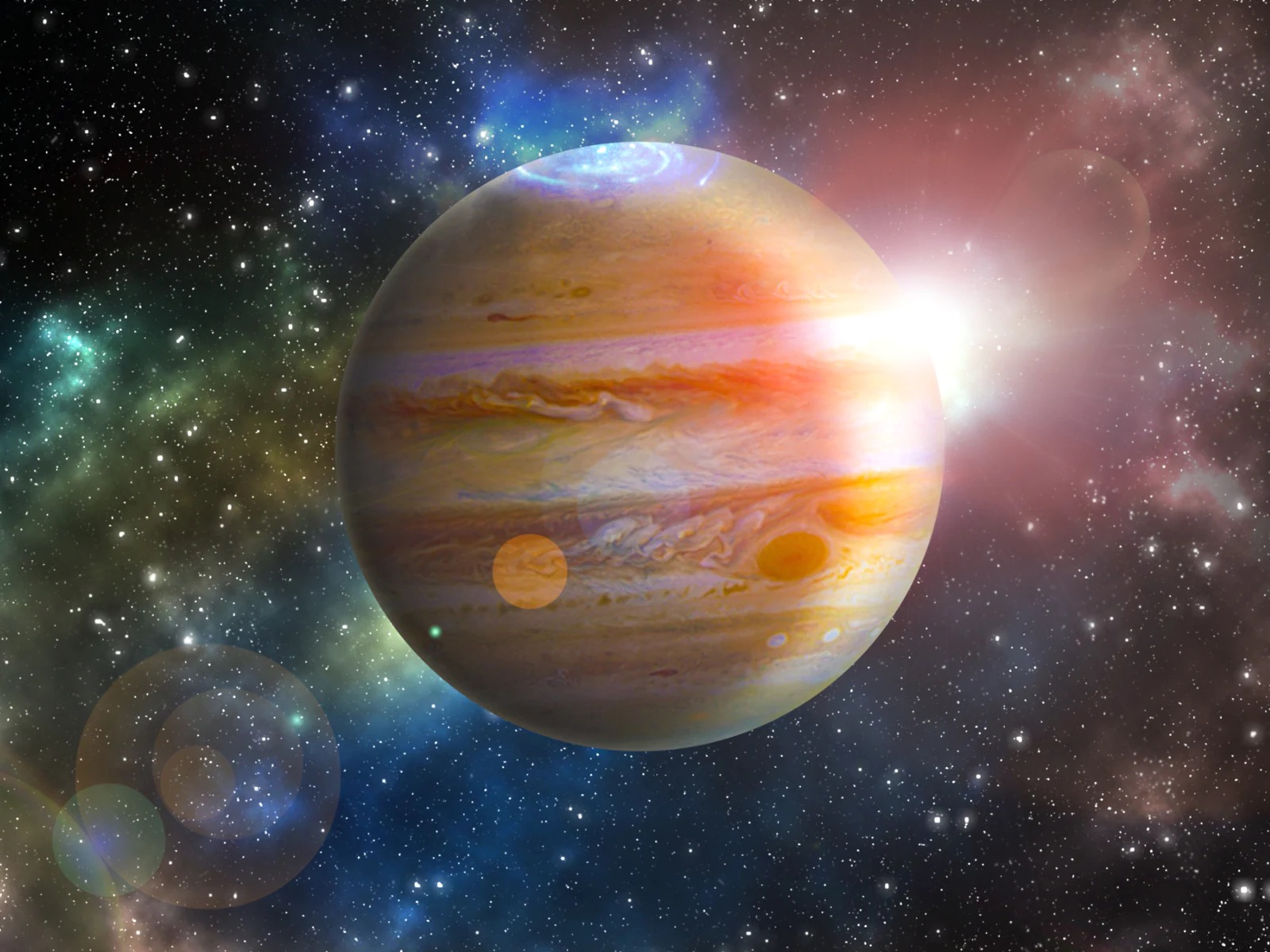
Here's the halfway point! The long-lived enormous storm system on the planet Jupiter that is visible from space is known as the Great ___ Spot.
What is the approximate age of the Earth?
1 million years old
100 billion years old
1 billion years old
4.5 billion years old
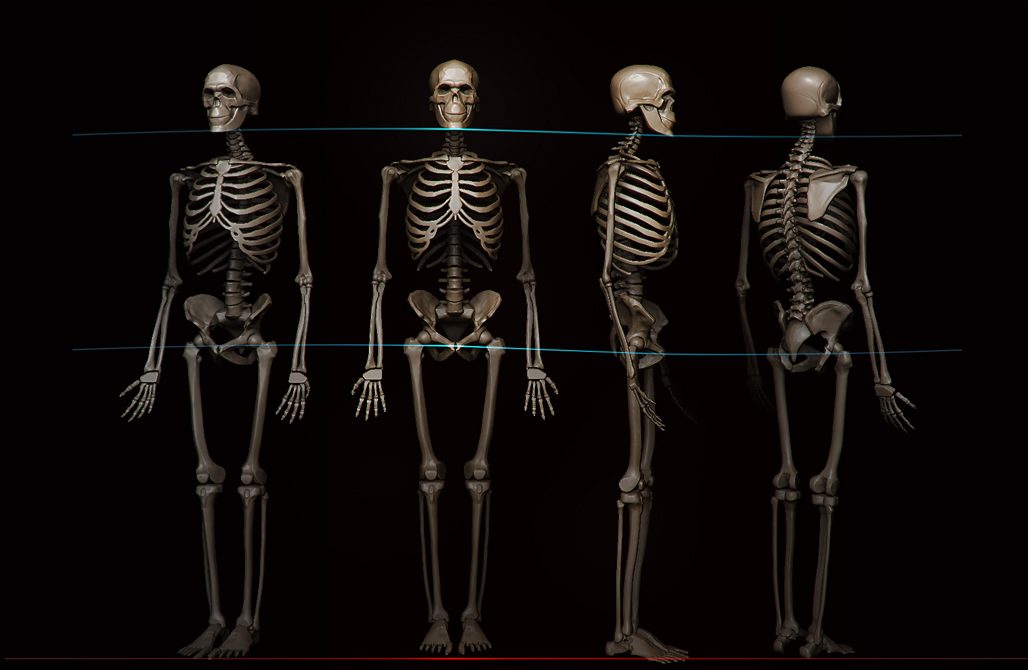
In the human body, what is the name of the breastbone that connects to the ribs?
Cranium
Sternum
Scapula
Tibia
What is the medical term for bad breath?
Halitosis
Dendritis
Ptamosis
Gingivitis
True or false: In Einstein's famous formula E = mc², "m" stands for motion.
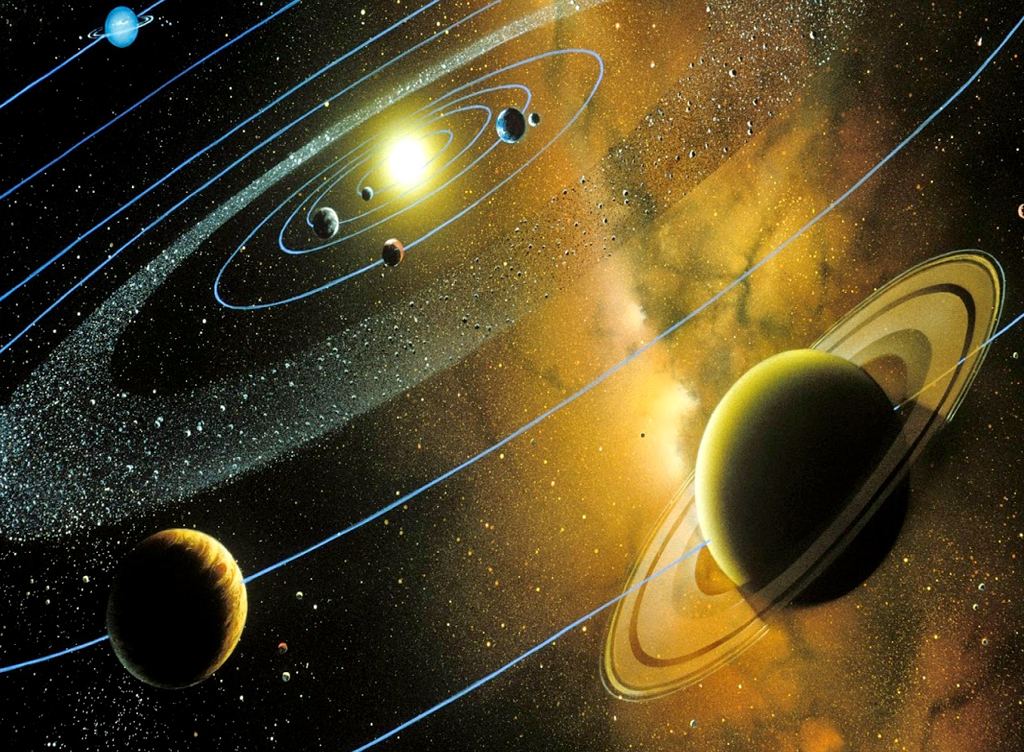
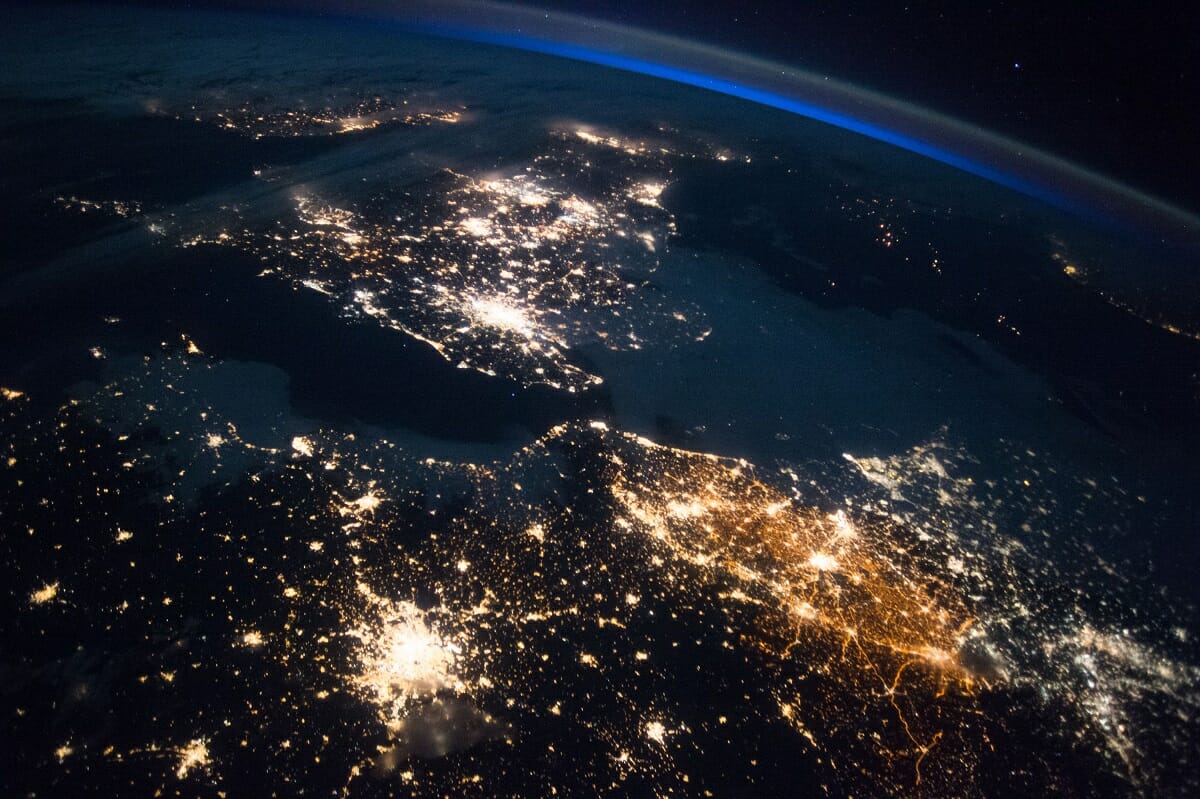
After the Big Bang, the universe was full of a bunch of space particles. How did the Earth form?
A piece of the Sun broke off.
A large meteorite began perfectly orbiting the Sun.
Gravity pulled gases and particles together.
Five asteroids smashed into each other.
What is the thighbone called?
Femur
Radius
Maxilla
Ulna
Which of these body parts is found in the nervous system?
Spinal cord
Ulna
Stomach
Achilles tendon
Almost there, I promise. Which system in your body helps to fight infections?
Respiratory system
Immune system
Endocrine system
Lymphatic system
What's the name of this creature that migrates from Mexico to Canada in colonies of millions?
Swallowtail butterfly
Monarch butterfly
Hawk moth
Cicada
And here's the final question: where was The Manhattan Project primarily based?
Honolulu
Springfield
Washington, D.C.
Indianapolis

 You are playing as a guest. Sign in to save your progress & unlock rewards!


















7 Comments
17/22. Not too bad
I got 16 out of 22 – 72%
You are a science buff! Some of these probably surprised you, but overall you got most of them right, so good job! Keep brushing up on your science, and you’ll be versed in the specifics in no time.
22 / 6 / 26
Dear Quizly, In the above quiz:
“This Science Quiz will be Extremely Hard for Everyone Except Those with Seriously High IQ”, in Question 2: When asking which gas is the most abundant in our atmosphere, you wrote the following in your answer:
“The correct answer is “Nitrogen”. The atmosphere is almost 80% nitrogen and 20% oxygen with about 5% of the atmosphere being comprised of other gases. The five layers of the atmosphere are the exosphere, thermosphere, mesosphere, stratosphere and troposphere.”
But the percentages you quoted above are incorrect, as you should have realised, because they add up to 105%!! Obviously, the total number of gases in the atmosphere cannot add up to more than 100% of the whole of it! Actually, rounded to the nearest positive integer (whole number), in a completely DRY atmosphere, Nitrogen constitutes 78% of it, Oxygen, 21%, and the remaining 1% is comprised of many other gases, including argon & carbon dioxide, and then tiny amounts of Neon, Helium, Methane, Krypton, Hydrogen, Nitrous Oxide, Carbon Monoxide, Xenon, Ozone, Nitrogen Dioxide, Iodine & Ammonia.
The percentages quoted above apply only if the atmosphere is completely dry, but, as water vapour is nearly always present, making UP TO 4% of the total volume of our atmosphere, the more of it there is, the more the percentages of all the other gases will be reduced (i.e. proportionately).
SEE: https://www.noaa.gov/jetstream/atmosphere
13/22 59% Science Buff, not really at all, not such a good score but could be worse.
I got 18 out of 22!
You are a total brainiac! I don’t wanna exaggerate, but I feel like you’re gonna be one of the greatest science experts in history. Take a minute to do a happy dance!
You got 14 out of 22!
I got 10 out of 22!
You are a science beginner! This whole quiz turned your brain inside out, didn’t it? Just try again and see what you can do.