
Think you can handle the heat?
 You are playing as a guest. Sign in to save your progress & unlock rewards!
Venus Quiz
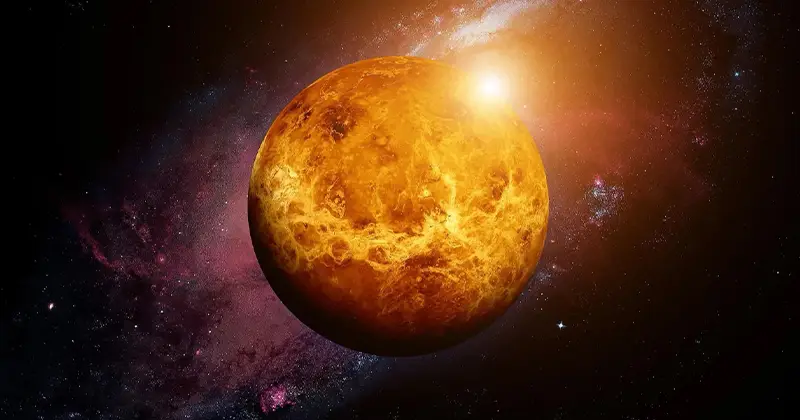
When most people think about planets, they picture Mars with its dusty red surface or Saturn with its stunning rings. Venus often gets a quick mention as "Earth’s twin" and then fades into the background.
But here is the truth: Venus might be the most extreme, intense, and fascinating planet in our entire solar system.
It shines brilliantly in our sky. It hides its surface behind thick, toxic clouds. It rotates backward. A single day on Venus lasts longer than its year. And its surface is hot enough to melt lead.
So let me ask you something.
How much do you actually know about Venus?
This Planet Venus trivia quiz will test your knowledge of its atmosphere, surface, temperature, rotation, exploration history, and strange behavior. Whether you are a casual stargazer or someone who watches rocket launches for fun, this quiz will challenge you in the best way.
Why Venus Is One of the Most Fascinating Planets
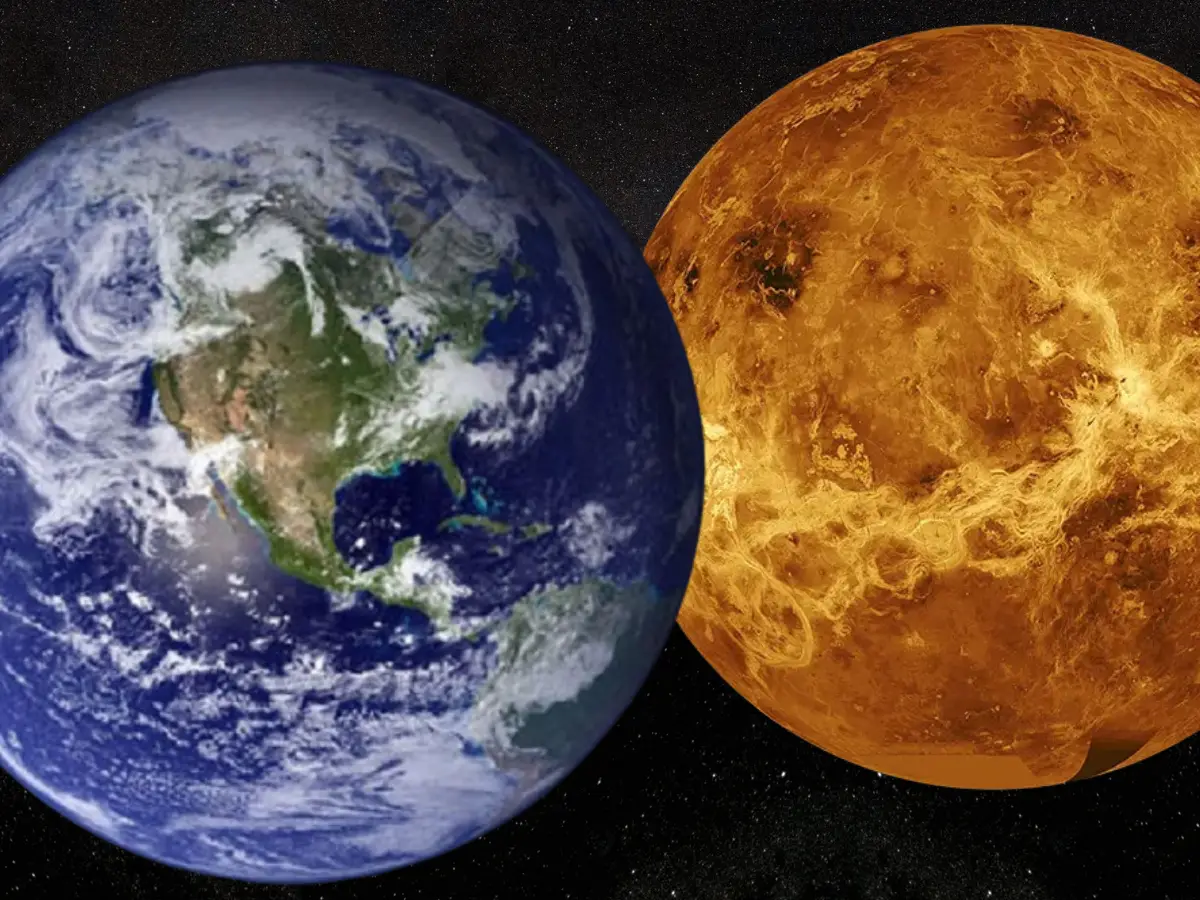
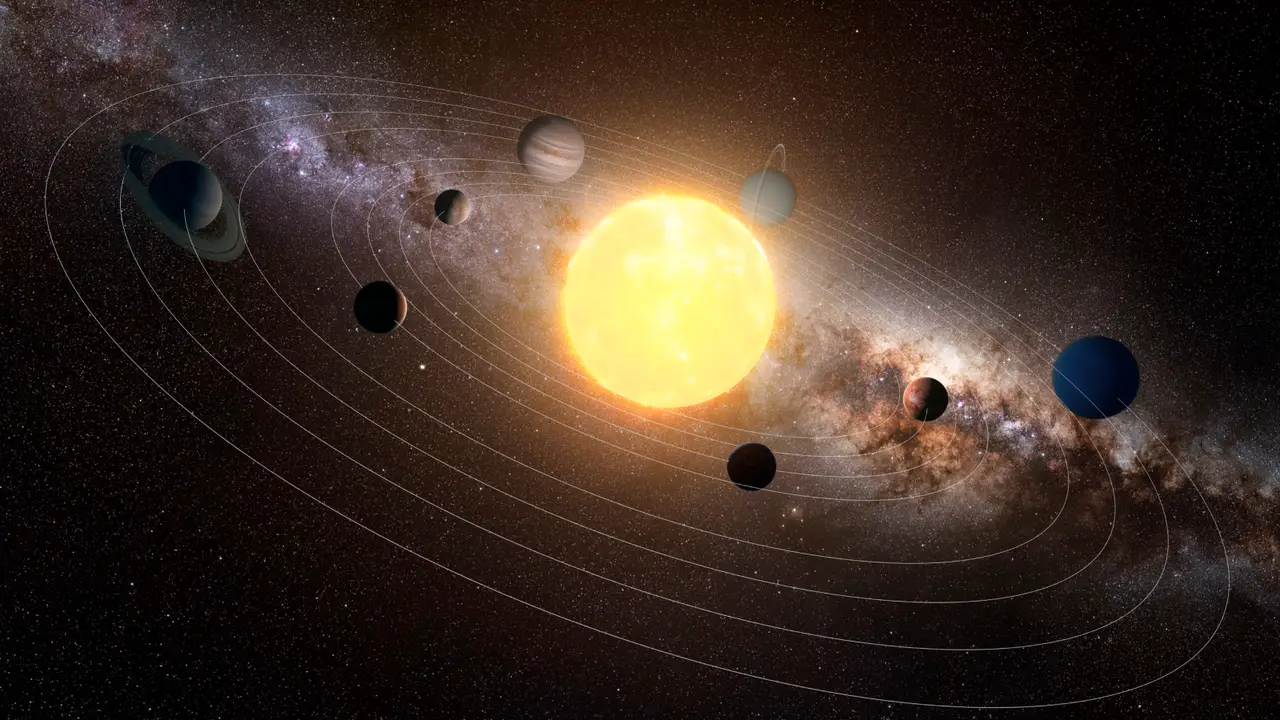
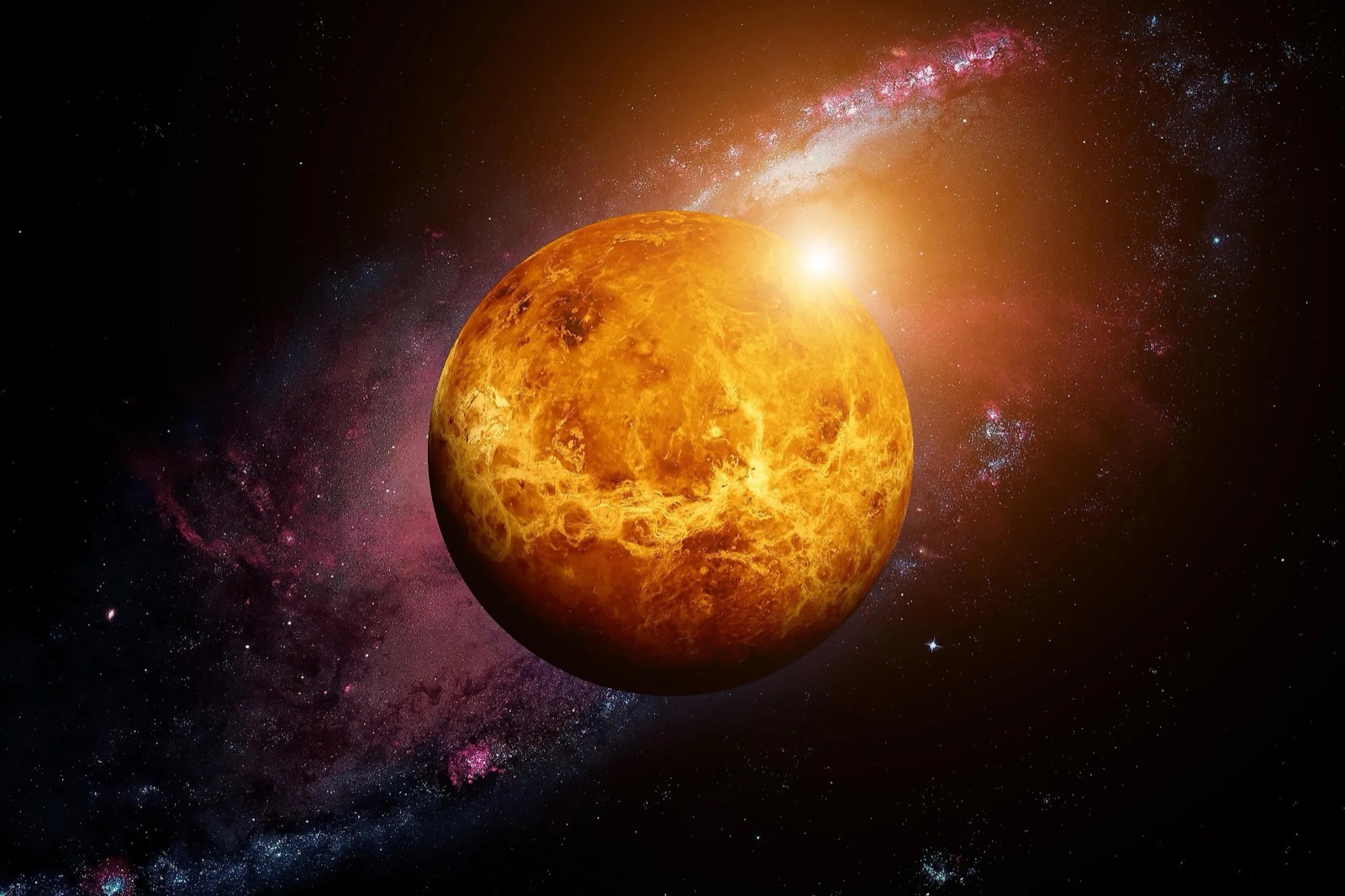
Venus is the second planet from the Sun. At first glance, it looks like Earth’s sibling. It is almost the same size. It has a similar mass. It formed in the same neighborhood of space.
For a long time, scientists wondered if Venus might have oceans, clouds filled with water vapor, or even life.
Instead, we found something far more dramatic.
Here are a few facts that make Venus unforgettable:
- It is the hottest planet in the solar system. Even hotter than Mercury, which is closer to the Sun.
- Its atmosphere is mostly carbon dioxide. That creates a powerful greenhouse effect.
- Its surface temperature averages about 465°C (869°F).
- The atmospheric pressure is about 90 times stronger than Earth’s.
- It rotates in the opposite direction of most planets.
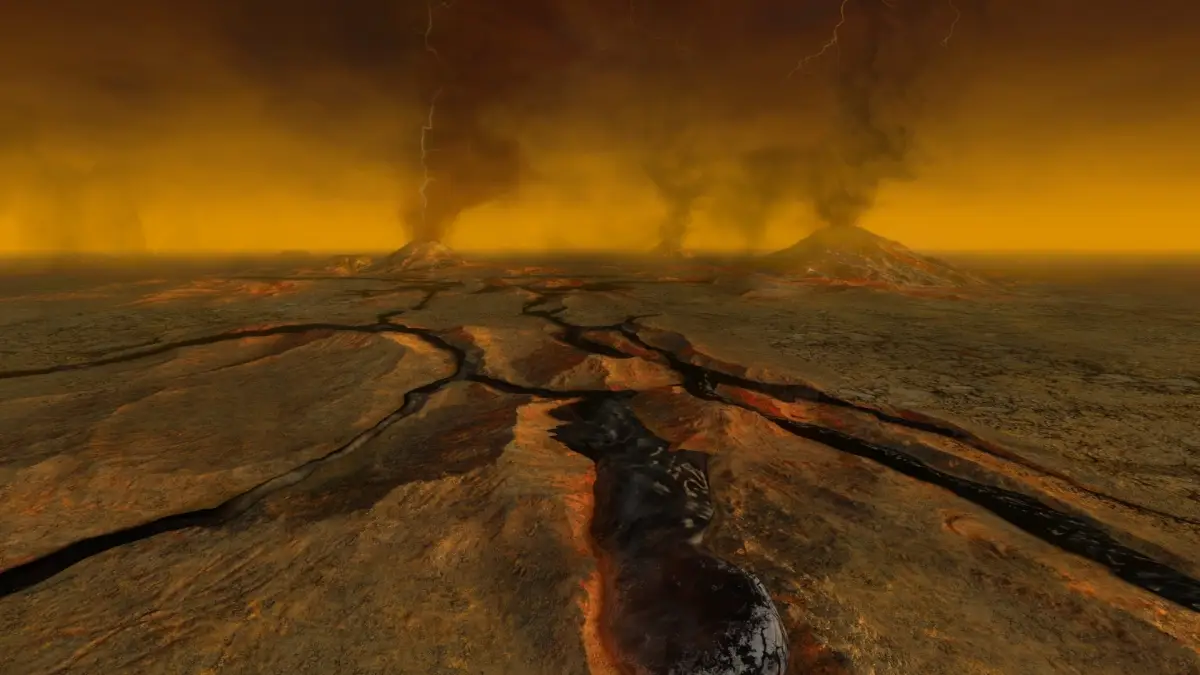
Venus gives scientists a powerful example of what happens when a greenhouse effect runs out of control. In fact, many climate researchers study Venus to better understand planetary atmospheres, including Earth’s.
So when you take this quiz, you are learning about one of the most extreme worlds in our cosmic neighborhood.
The Brightest Planet in the Night Sky
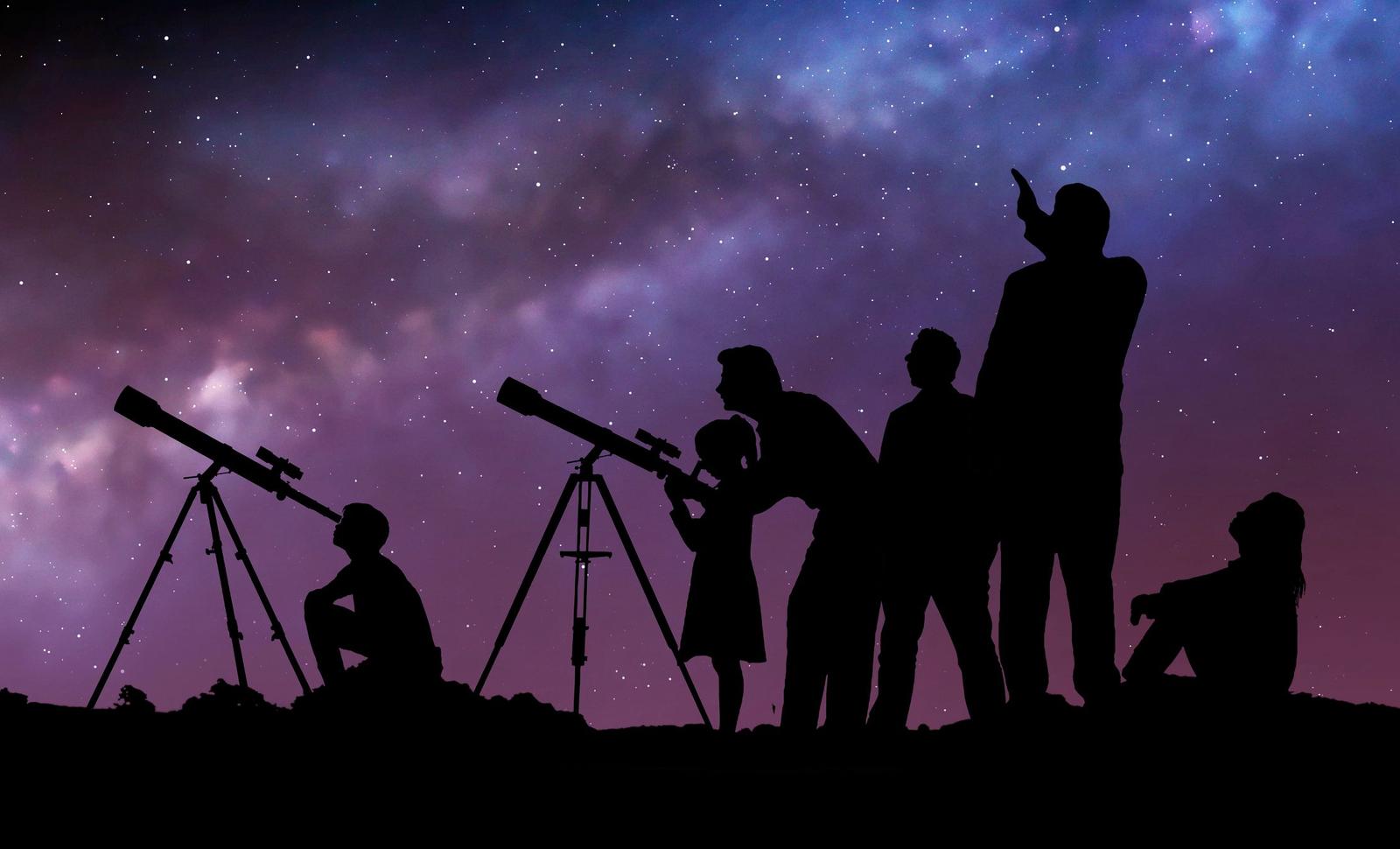
Have you ever looked up just after sunset and noticed a bright "star" glowing near the horizon?
Chances are, that was Venus.
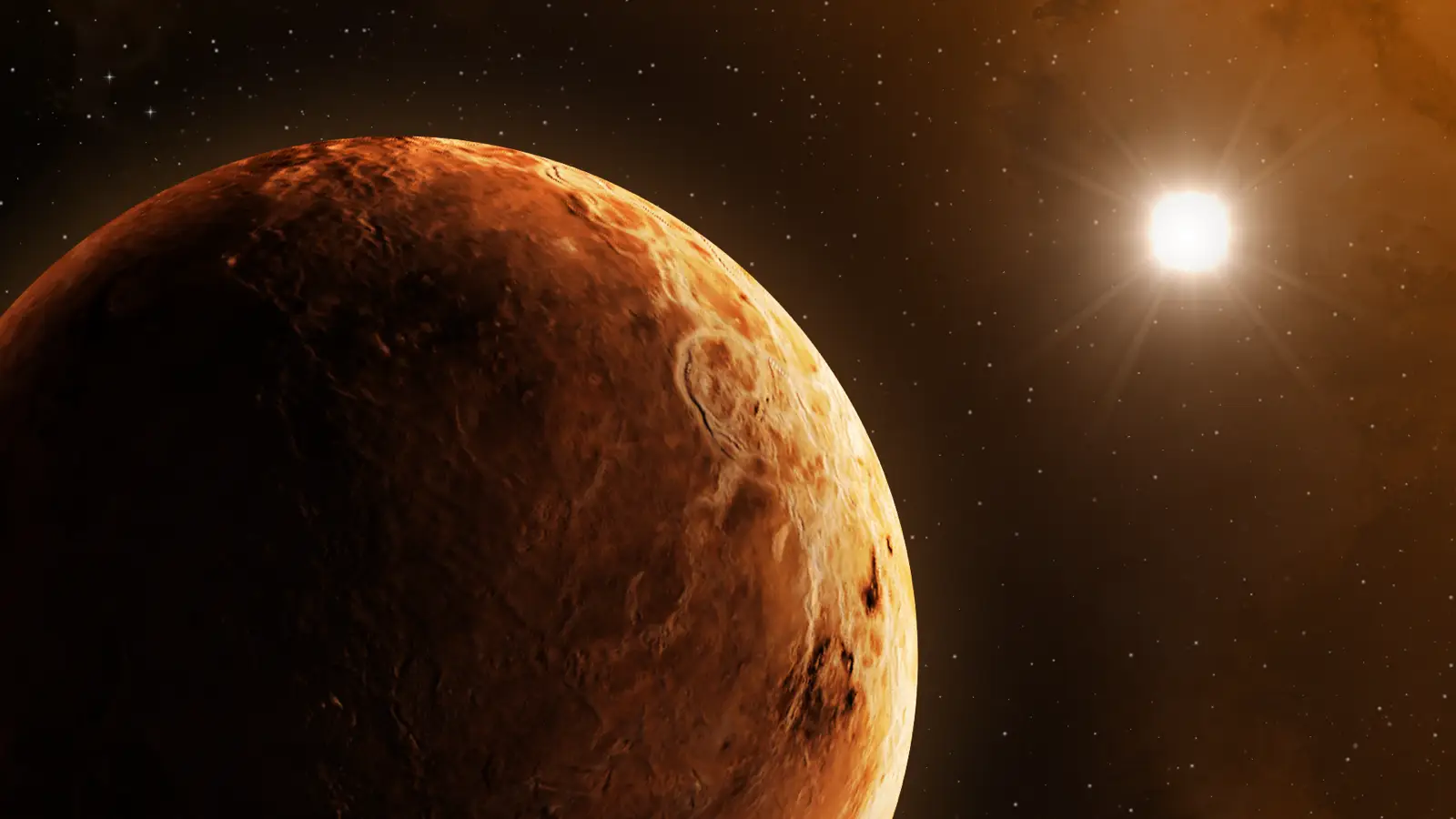
Venus is often called the "Morning Star" or the "Evening Star" because it appears close to sunrise or sunset. It reflects sunlight extremely well due to its thick cloud cover. That is why it shines brighter than any other planet we can see with the naked eye.
Here is something cool: ancient civilizations tracked Venus carefully. The Maya created detailed Venus calendars. Ancient astronomers across the world watched its movements with precision.
Even today, Venus remains one of the easiest planets to spot without a telescope.
Why Venus Is Hotter Than Mercury
This is one of the most common misconceptions in planetary science.
Mercury is closer to the Sun. So logically, Mercury should be hotter, right?
Wrong.
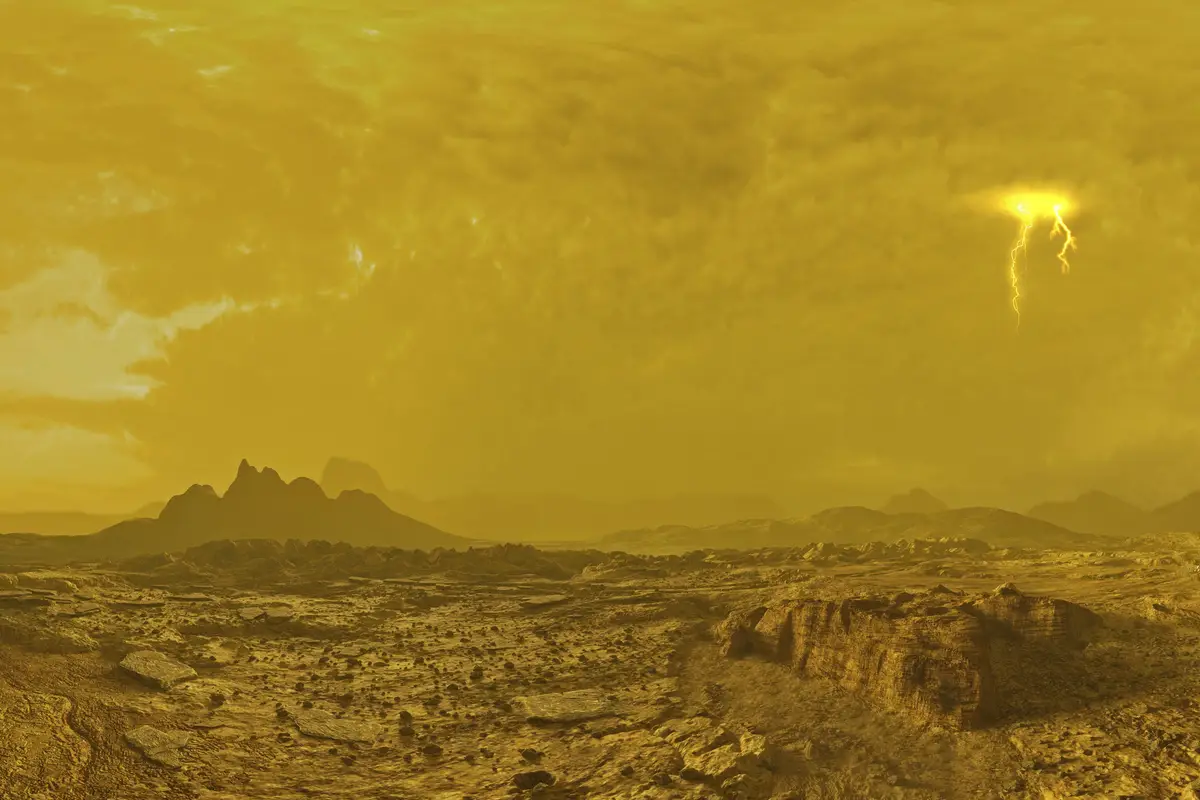
Venus has a thick atmosphere made mostly of carbon dioxide. This traps heat through a runaway greenhouse effect. Sunlight enters the atmosphere, warms the surface, and the heat cannot escape easily. Over time, the planet becomes a pressure cooker.
Mercury, on the other hand, has almost no atmosphere. Heat escapes quickly when the Sun is not shining on it.
As a result, Venus holds the title for hottest planet in the solar system.
A Day Longer Than a Year?
Yes. You read that correctly.
Venus rotates extremely slowly. It takes about 243 Earth days to complete one full rotation on its axis. Yet it only takes about 225 Earth days to orbit the Sun.
That means a single day on Venus lasts longer than an entire Venus year.
Even stranger, Venus rotates in retrograde motion. That means it spins in the opposite direction of most planets, including Earth. If you stood on Venus, the Sun would rise in the west and set in the east.
Exploring Venus: Surviving the Impossible
Landing on Venus is incredibly difficult.
The extreme heat and crushing pressure destroy most spacecraft quickly. However, several missions have successfully explored Venus.
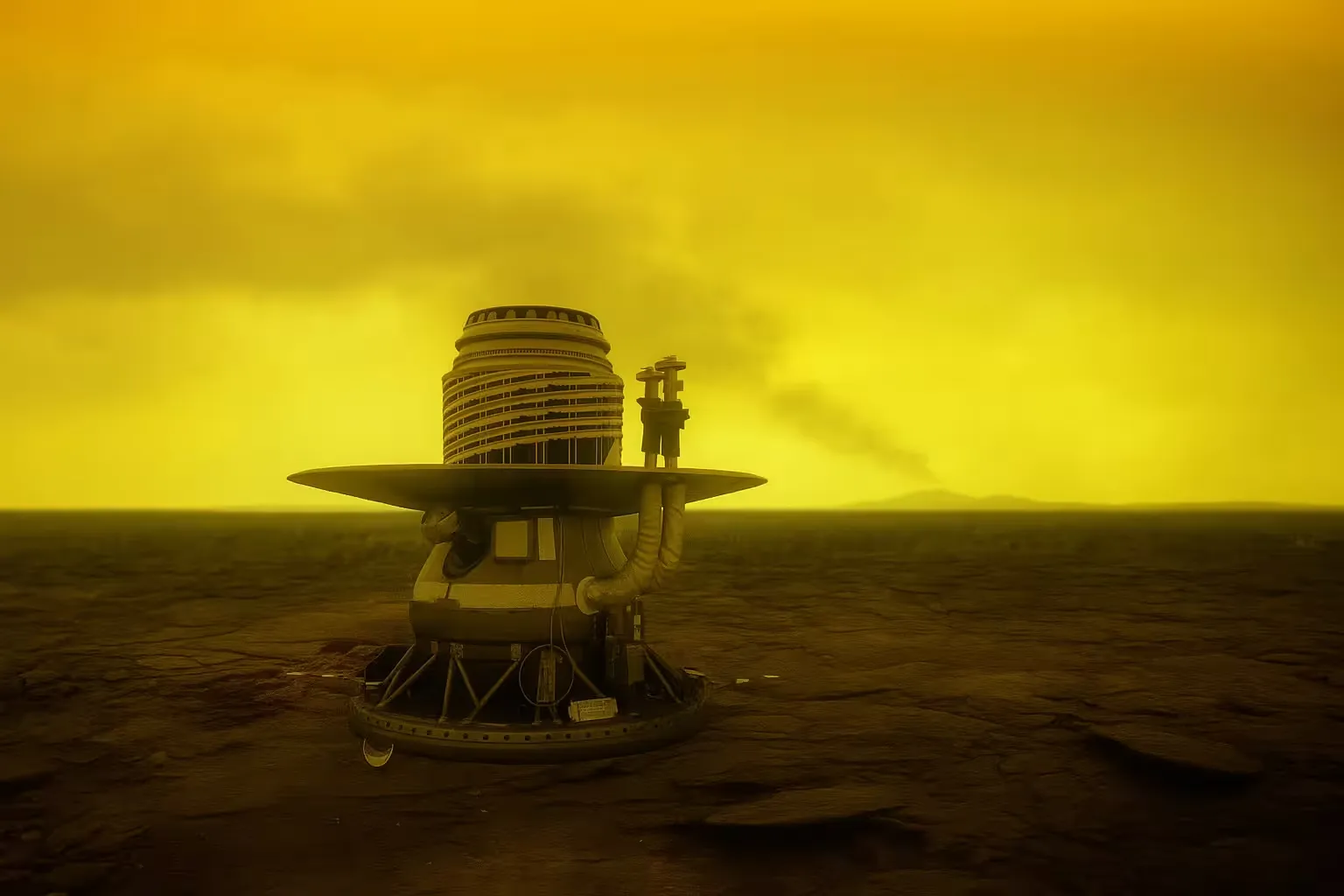
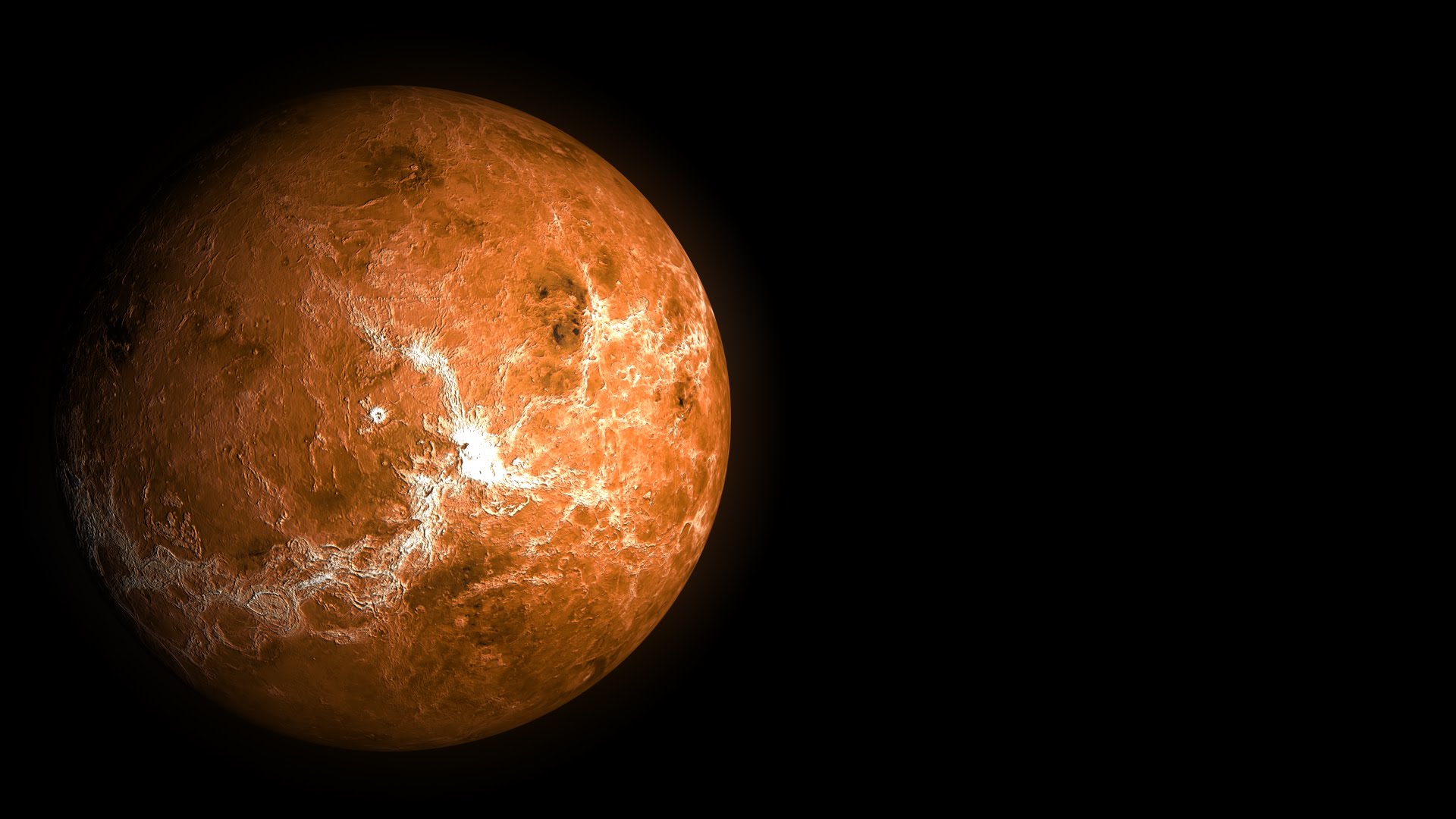
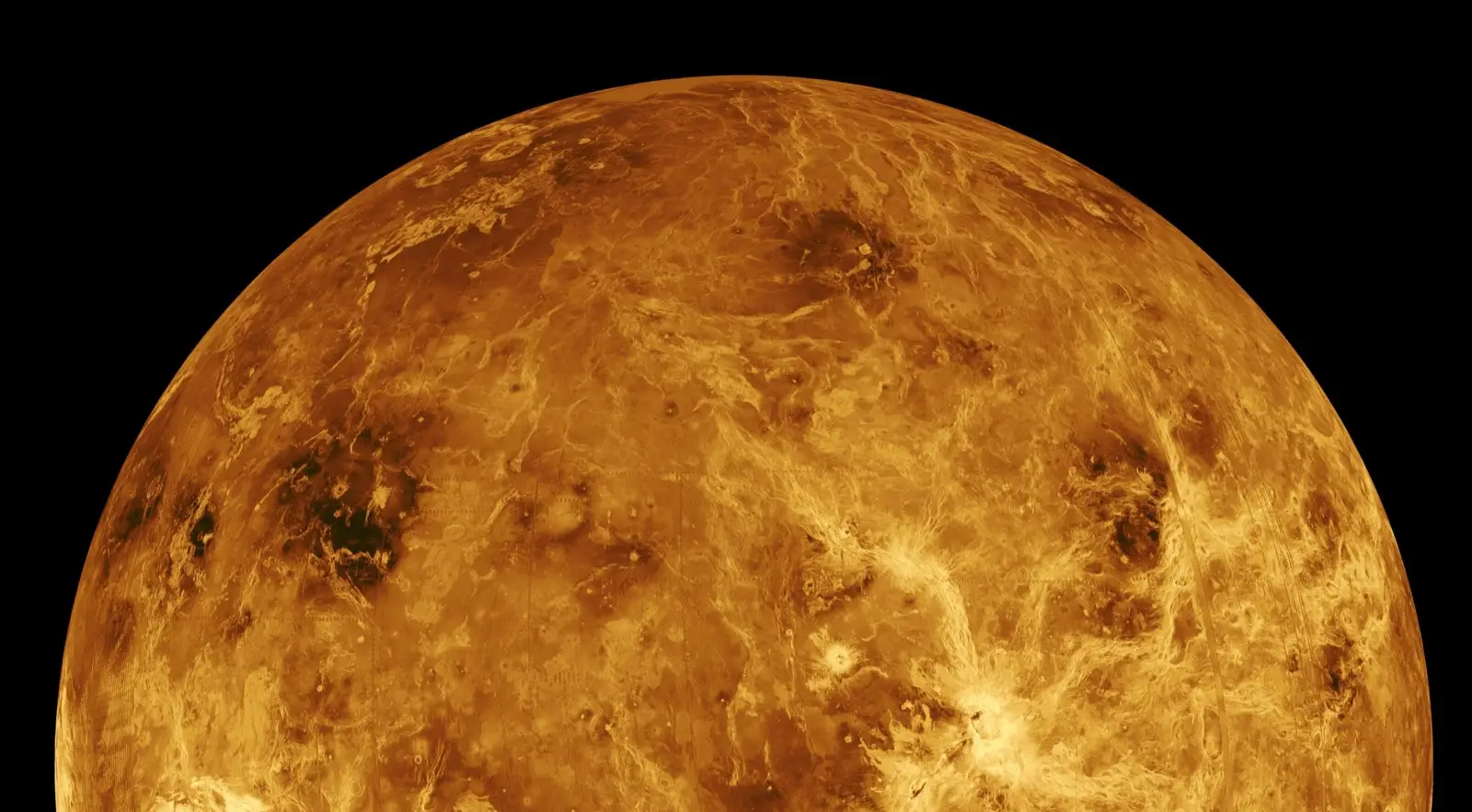
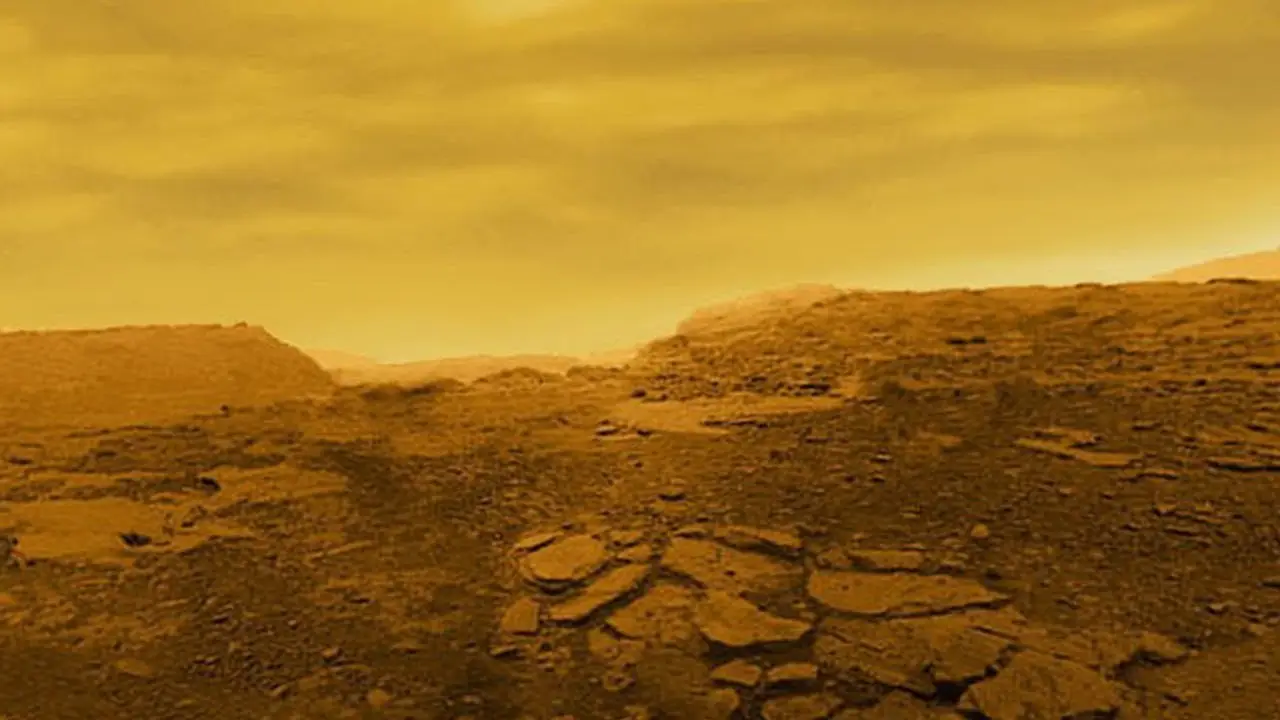
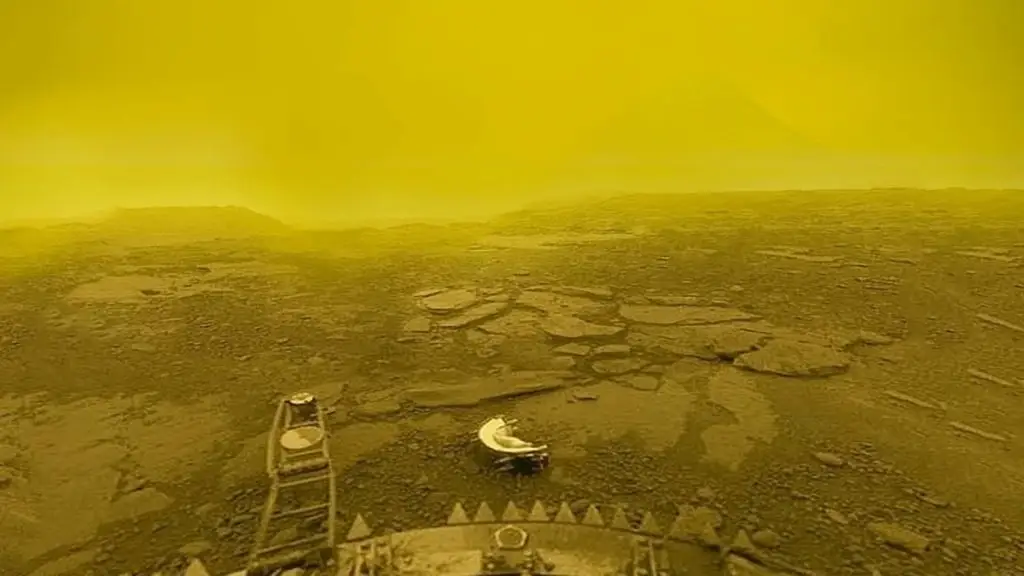
The Soviet Venera program achieved the first successful landings and transmitted images from the surface. Later missions like NASA’s Magellan mapped most of Venus’s surface using radar because thick clouds block visible light.
How to Take the Venus Trivia Quiz
Ready to test your knowledge? Here is how it works:
- Read each question carefully. Some are straightforward. Others test small but important details.
- Select the best answer from four options. There is only one correct choice.
- Watch for True or False questions. They are designed to check your understanding of key concepts.
- Learn from every answer. Each question includes an explanation so you gain new knowledge along the way.
- Climb the leaderboard. Finish quizzes and score high to earn points and compete with other trivia fans on our website.
Even if you miss a few questions, you will walk away knowing more about Venus than most people.
How Well Do You Really Know the Hottest Planet?
Venus shines bright in our sky. It hides extreme conditions beneath its clouds. It challenges spacecraft. It challenges scientists. And now, it is about to challenge you.
Will you ace the questions about its runaway greenhouse effect?
Do you know how long a Venus day lasts?
Can you identify the mission that mapped its surface?
There is one way to find out.
Take the Planet Venus Trivia Quiz and see where you rank. Whether you score at the top or somewhere in the middle, you will finish smarter than when you started.
🎖️ Badges
View all badges
Stargazer
Science Curious

Lab Assistant

Science Genius
🔖 Topics
View all topics

Enjoy Quizly? Upgrade to Premium for an ad-free experience and exclusive features.
Get PremiumPlay More Quizzes


11 Comments
I got 16 out of 20!
Outstanding work, space superstar! You clearly know your Venus facts inside and out, from its scorching surface to its mysterious clouds.
18/20
I got 12 out of 20 – 60%
Fantastic effort! You clearly know your way around the solar system. While Venus can be a mysterious and harsh world, you’ve managed to uncover many of its secrets with ease. You have a solid foundation of space facts, and your curiosity is truly your greatest strength. Keep exploring and shining bright—you’re well on your way to becoming a space expert!
23 / 6 / 26
4/20 👍
15/20. Not too bad to say knew nowt about Venus.
I got 17 out of 20!
Outstanding work, space superstar! You clearly know your Venus facts inside and out, from its scorching surface to its mysterious clouds. Your curiosity and attention to detail really shine through. Keep reaching for the stars because with this level of expertise, you’re clearly destined for greatness in the vast universe of learning. Outstanding job!
I thought I would do better on this one. Never mind, it’s still OK.
18/20
I took this one nice and slowly so I could benefit from several of the answers being present in the explanations.
20/20
Outstanding work, space superstar! You clearly know your Venus facts inside and out, from its scorching surface to its mysterious clouds. Your curiosity and attention to detail really shine through. Keep reaching for the stars because with this level of expertise, you’re clearly destined for greatness in the vast universe of learning. Outstanding job!
I got 18 out of 20!
Outstanding work, space superstar! You clearly know your Venus facts inside and out, from its scorching surface to its mysterious clouds. Your curiosity and attention to detail really shine through. Keep reaching for the stars because with this level of expertise, you’re clearly destined for greatness in the vast universe of learning. Outstanding job!
I got 17 out of 20!
Outstanding work, space superstar! You clearly know your Venus facts inside and out, from its scorching surface to its mysterious clouds. Your curiosity and attention to detail really shine through. Keep reaching for the stars because with this level of expertise, you’re clearly destined for greatness in the vast universe of learning. Outstanding job!
I got 12 out of 20!
Fantastic effort! You clearly know your way around the solar system. While Venus can be a mysterious and harsh world, you’ve managed to uncover many of its secrets with ease. You have a solid foundation of space facts, and your curiosity is truly your greatest strength. Keep exploring and shining bright—you’re well on your way to becoming a space expert!